Phone Chargers UK
Shop phone chargers in the UK, including USB-C, fast, wireless and car chargers. Compare wattage, ports and device compatibility at Zextons.
Shop phone chargers in the UK for smartphones, tablets, smartwatches and other compatible devices at Zextons.
Our charger range includes USB-C and wall chargers, fast chargers, wireless and magnetic charging solutions, multi-device charging stations, car chargers and other charging accessories. Different devices support different connections, power levels and charging technologies, so choosing the right charger is about more than simply finding one that fits.
Compare the products above by charging type, wattage, number of ports and device compatibility to find an option suited to your setup.
For more mobile accessories, browse our complete range ofphone accessories.
Shop Phone Chargers by Type
Different charger types are designed for different locations and devices. Some connect to a mains socket, some work inside your vehicle, while wireless chargers allow compatible phones or accessories to charge without connecting a cable directly to the device.
USB-C and Wall Chargers
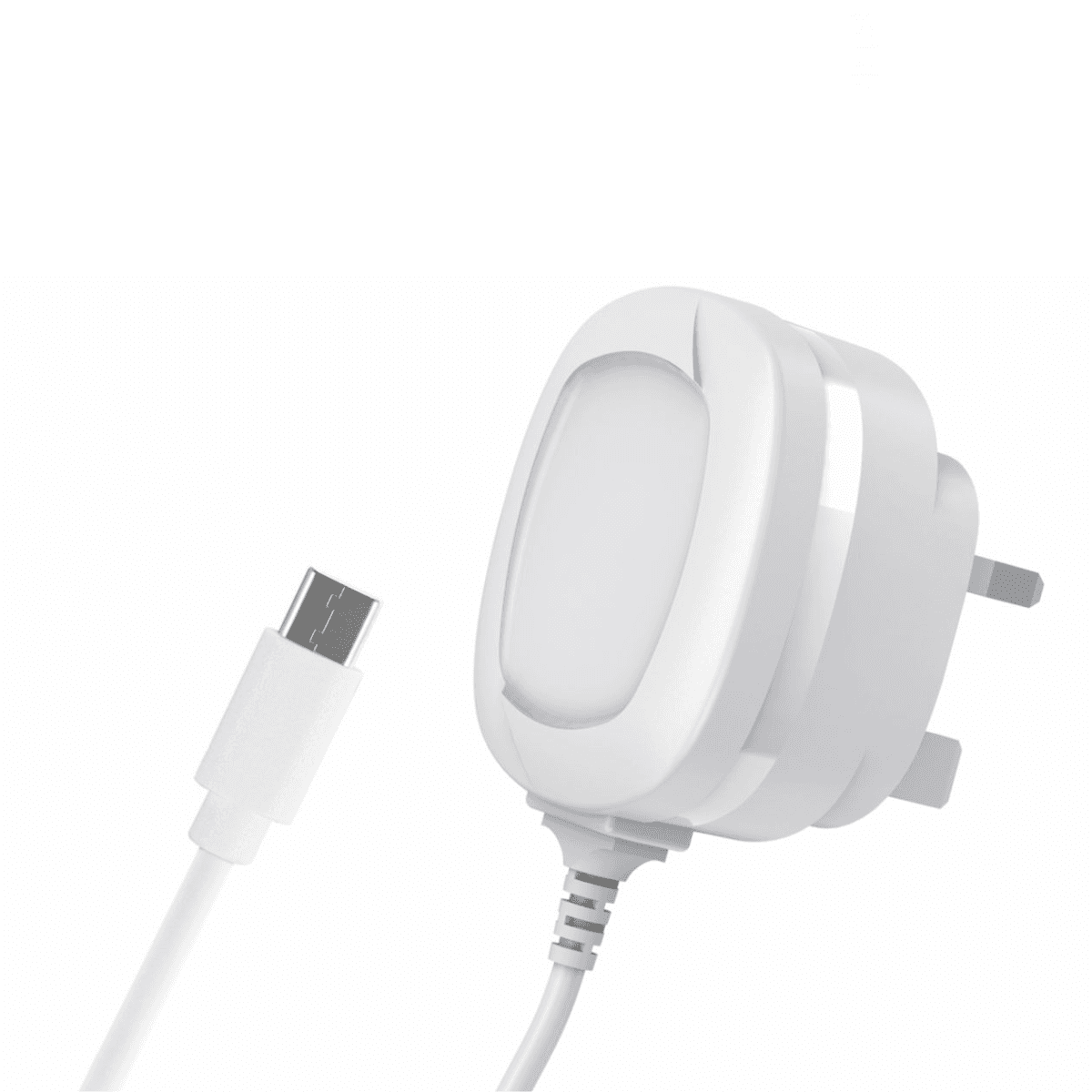
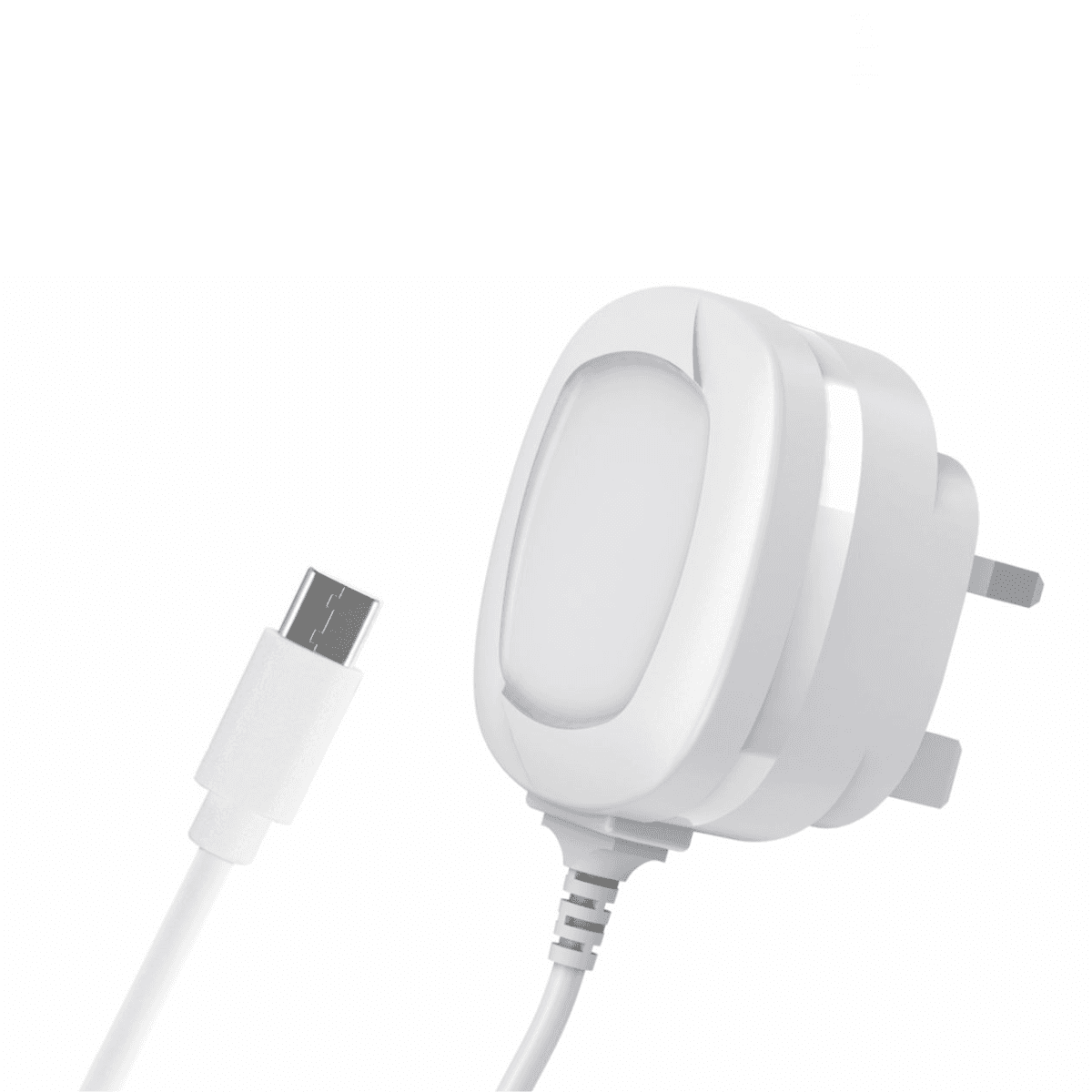
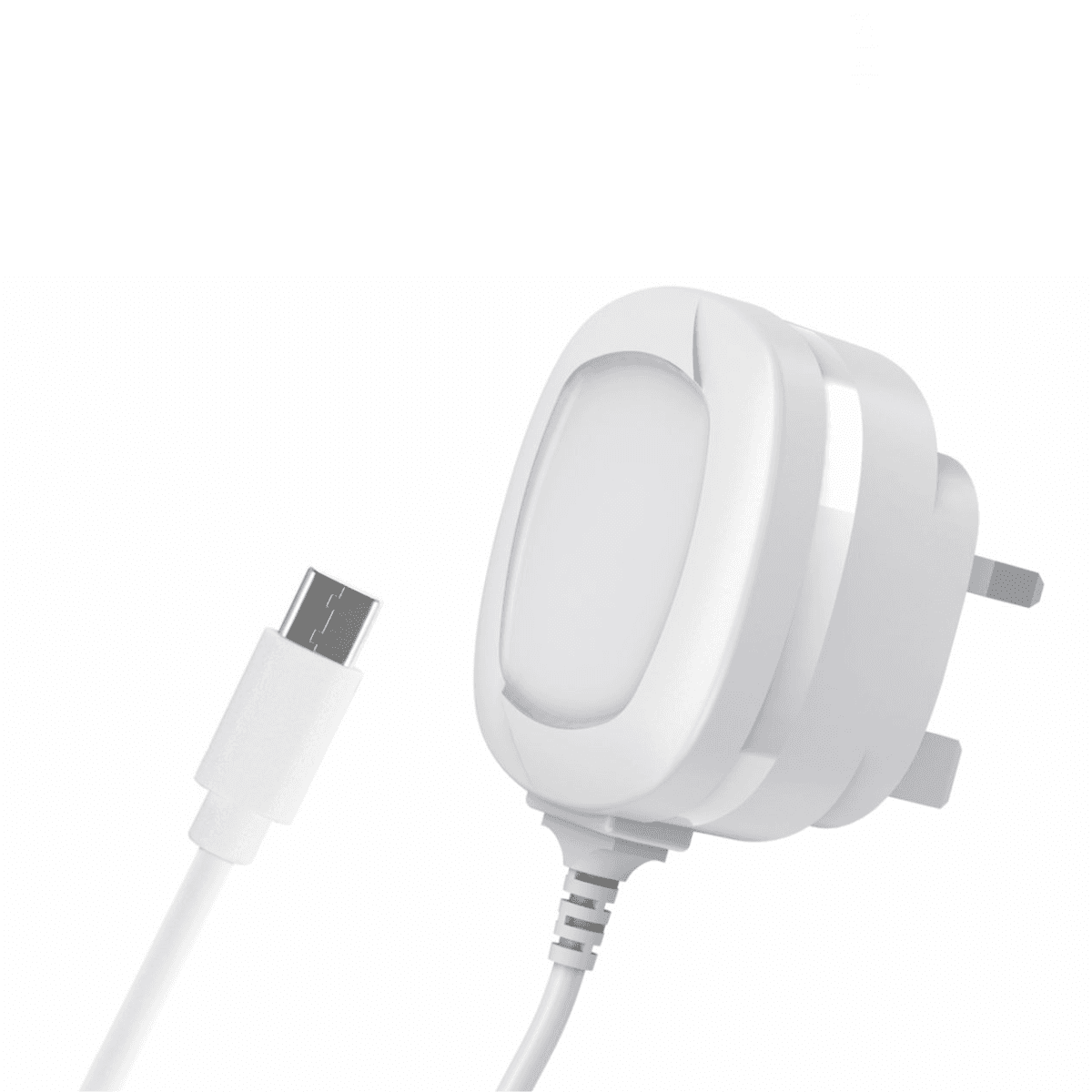
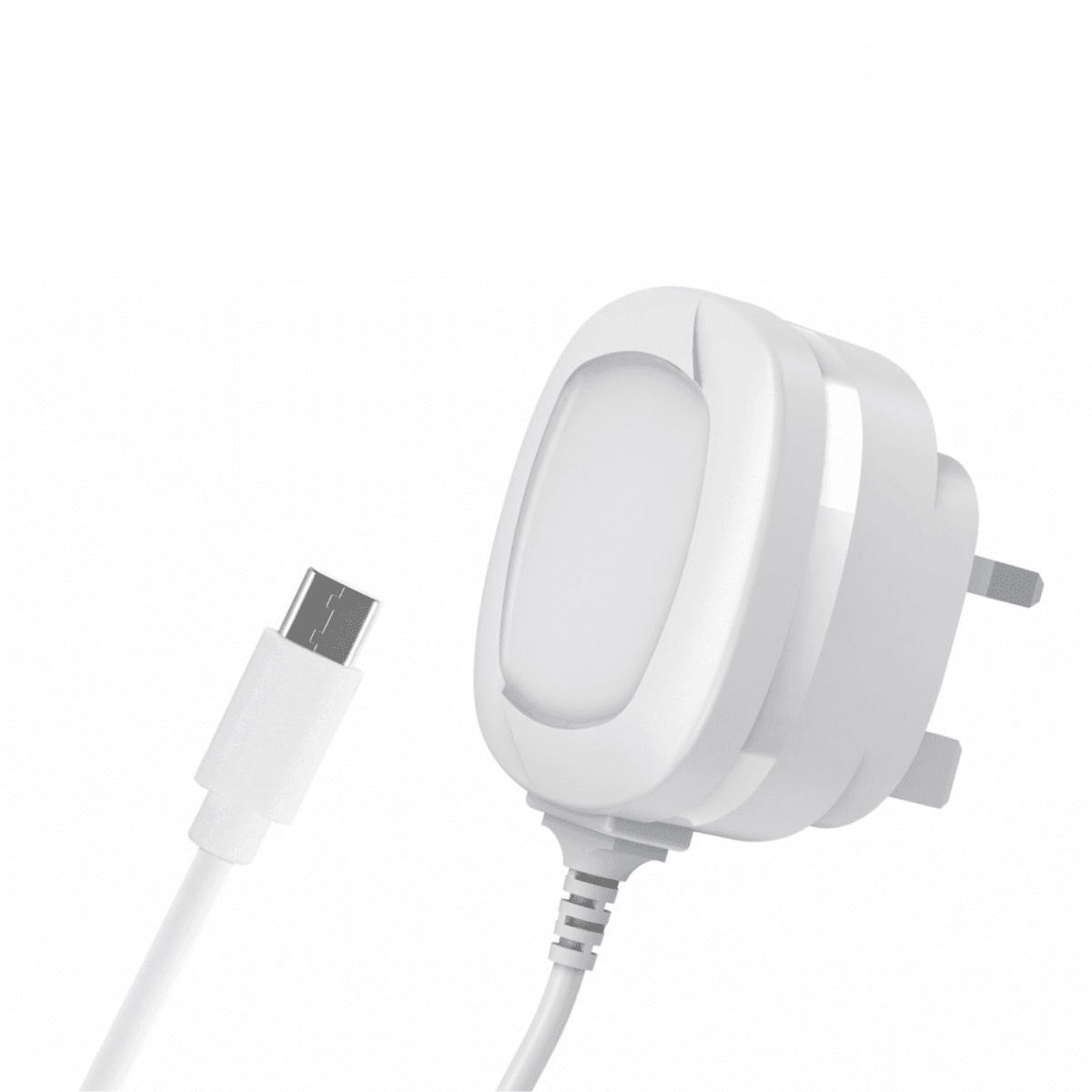
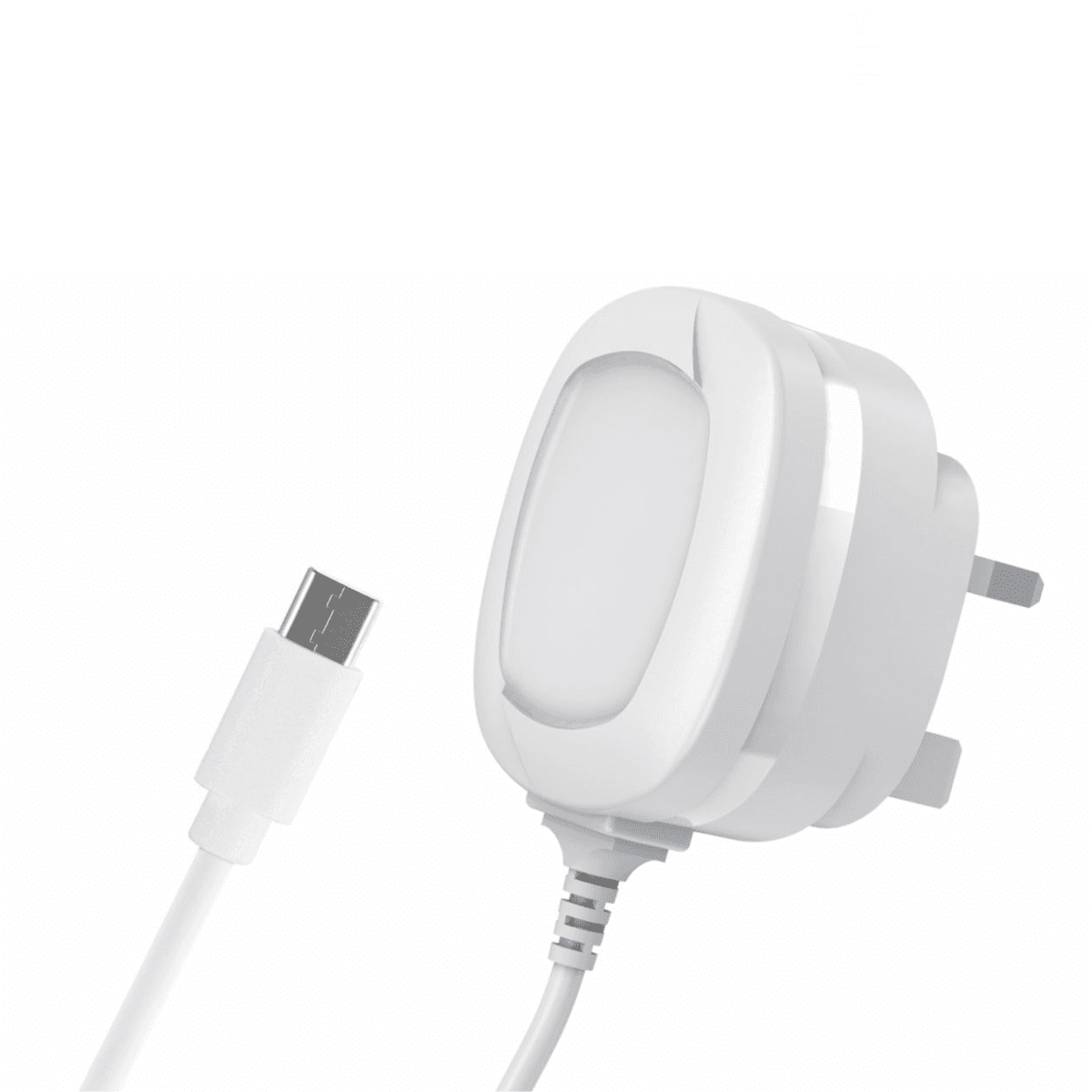
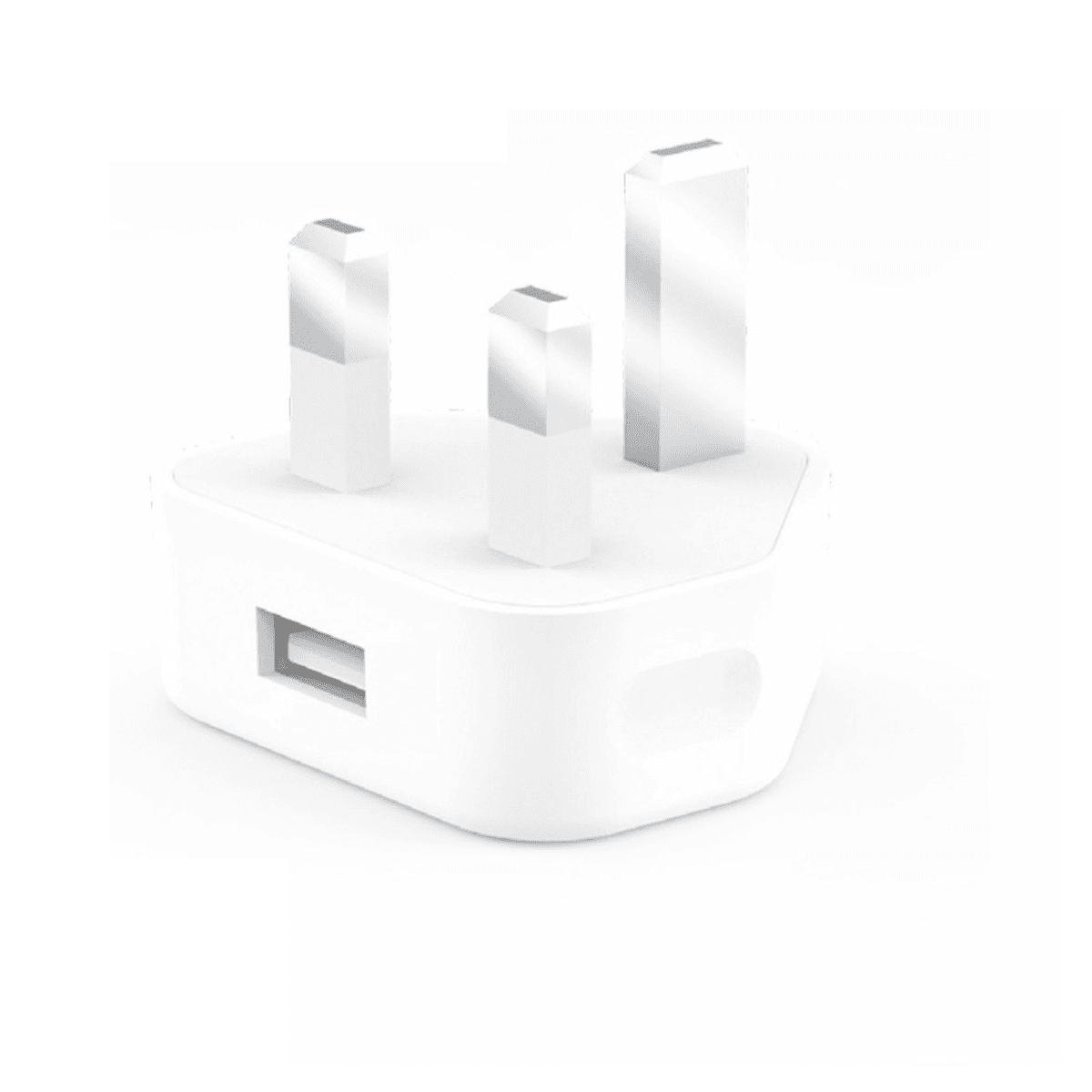
A wall charger connects to a mains socket and supplies power to your device through a compatible charging cable.
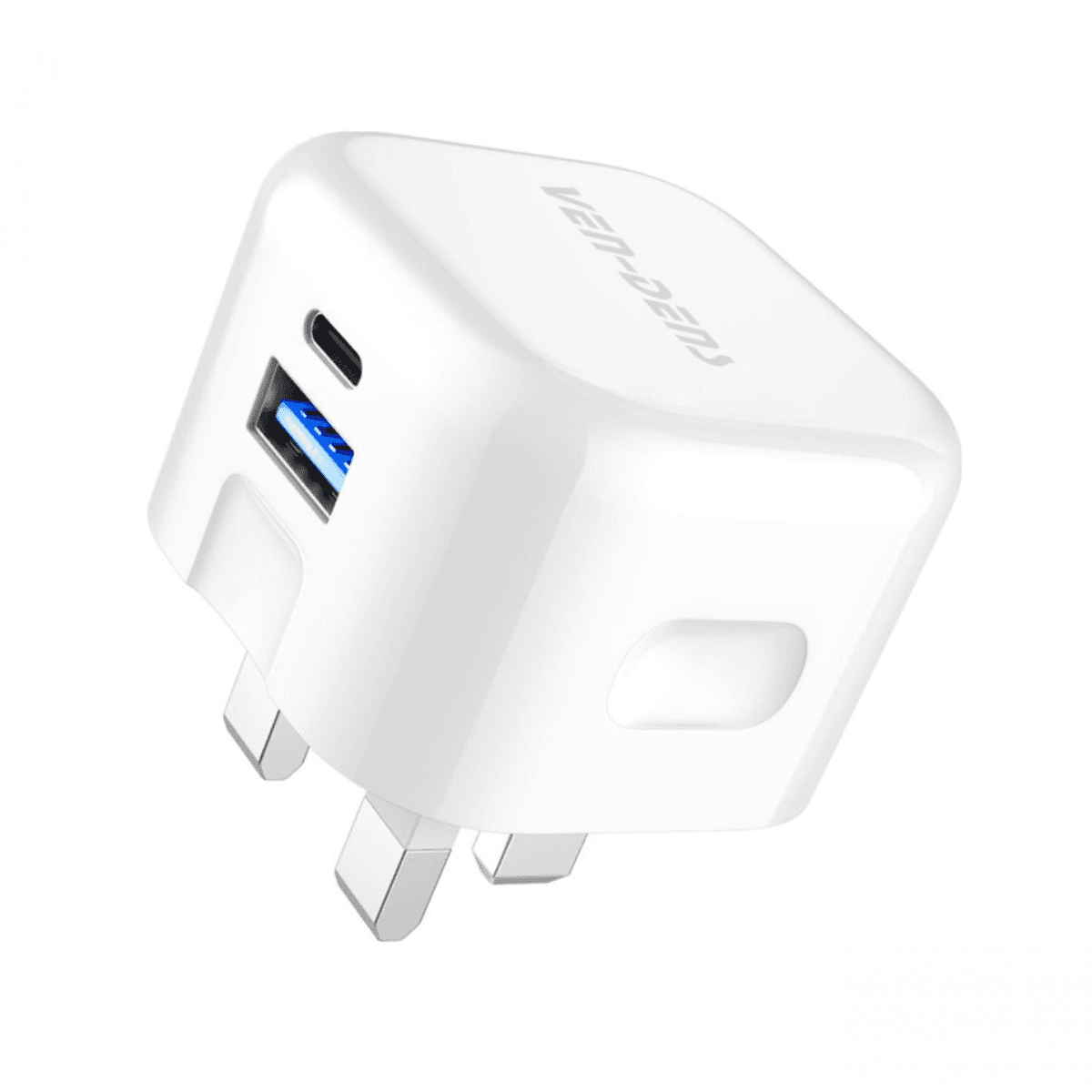
Modern models commonly include a USB-C port, while some chargers also offer USB-A connections for older cables and accessories.
When choosing a USB-C charger, check:
the charger's listed power output
the port type
your device's supported charging capability
the cable you plan to use
A USB-C connection does not automatically mean that every charger provides the same charging speed.
If you already have a charger but need a replacement cable, browse ourUSB-C and charging cables.
Fast Phone Chargers
A fast phone charger is designed to provide higher charging power when used with compatible equipment.
The important word is compatible.
Fast charging depends on the phone, charger and charging connection supporting the appropriate power level and charging technology.
For example, buying a higher-rated charger does not automatically make every smartphone charge at the charger's maximum wattage. The device determines how much supported power it can use.
When comparing fast chargers, look at the individual listing for:
power output
USB-C or USB-A ports
supported charging technology
number of charging ports
compatible device types
This is more reliable than choosing a charger based only on a wattage number in the product title.
Wireless and Magnetic Chargers
A wireless charger transfers power to a compatible device without requiring a charging cable to be connected directly to the phone.
The wireless charger itself still requires a power source.
Wireless charging can be convenient on a desk, bedside table or workstation where you regularly place and remove your phone.
Some wireless chargers also use magnetic alignment to help position compatible devices correctly.
Always check the individual product specification because wireless standards, charging speeds and magnetic compatibility can vary between products and devices.
Do not assume that every magnetic wireless charger provides the same functionality as an official Apple MagSafe accessory.
2-in-1 and 3-in-1 Wireless Chargers
Multi-device wireless chargers are useful if you regularly charge more than one compatible device.
Depending on the individual product, a 2-in-1 or 3-in-1 wireless charger may provide separate charging positions for devices such as:
smartphones
compatible smartwatches
wireless earphones
The exact combination varies by charger.
Check the individual product listing before buying to confirm which devices and charging positions are supported.
A multi-device charger can be particularly useful for reducing the number of separate chargers around a desk or bedside charging area.
Car Phone Chargers
A car phone charger connects to the vehicle's available charging power and provides one or more USB charging ports.
Our range can include USB-A, USB-C, Power Delivery and other compatible charging configurations.
Car chargers are available with different:
wattage ratings
USB port combinations
charging technologies
numbers of ports
A dual-port or multi-port car charger can be useful when a driver and passenger both need to charge compatible devices.
For fast charging in a vehicle, the car charger, cable and phone must all support a compatible charging setup.
Bluetooth FM Transmitter Car Chargers
Some in-car products combine phone charging with additional functions such as Bluetooth connectivity and FM transmission.
These devices can be useful in vehicles where you want to connect a phone for audio while also accessing USB charging.
Because these products perform more than one function, check the individual listing carefully for:
charging ports
Bluetooth features
FM functionality
supported connections
power output
Choose according to both your vehicle and the devices you intend to connect.
Choose the Right Charger Wattage
Wattage tells you the maximum power capability of a charger, but it does not tell you how quickly every connected device will charge.
Actual charging performance depends on the charger, connected device and charging connection working together.
Chargers for Phones
Smartphones can support very different charging speeds.
Some phones may use lower charging power, while others support higher-speed USB-C charging.
Before buying a charger for a phone, check the charging specifications of your exact model.
If your phone supports a particular fast-charging standard, using a compatible charger and cable can help you access that capability.
A higher charger rating on its own does not guarantee faster charging.
Higher-Power Chargers for Tablets and Laptops
USB-C charging is also used by many tablets and laptops.
These devices can require more power than a smartphone, so choosing a suitable charger becomes even more important.
If you need a charger for a tablet or USB-C laptop, compare:
device power requirements
charger output
charging protocol
cable capability
number of devices being charged
A charger designed for basic phone charging may not provide enough power for every laptop.
Does a Higher-Watt Charger Charge Faster?
A higher-watt charger only results in faster charging when the connected device supports the additional charging power.
For example, connecting a phone with a lower supported charging limit to a much higher-rated charger does not mean the phone will suddenly use the charger's full maximum output.
Think of charger wattage as available capability rather than power that is automatically forced into the device.
USB-C Power Delivery vs Quick Charge
Fast chargers may support different charging technologies.
Two commonly encountered terms are USB Power Delivery and Quick Charge.
USB-C Power Delivery
USB Power Delivery, often shortened to USB PD, is a charging technology commonly associated with USB-C.
Compatible chargers and devices can communicate to determine an appropriate supported power level.
USB Power Delivery is used across many modern smartphones, tablets and USB-C devices.
However, USB-C describes the connector. It does not automatically mean that every USB-C charger supports the same Power Delivery capability.
Quick Charge
Quick Charge is another fast-charging technology used by compatible devices and accessories.
A charger may support Quick Charge, USB Power Delivery, another charging standard or a combination depending on its design.
When fast charging is important, check the charger specification and your device requirements rather than assuming that all fast chargers work identically.
Wired vs Wireless Charging
Both wired and wireless charging can be useful. The better option depends on how you use your device.
Wired Charging
Wired charging connects the charger to the device using a compatible cable.
It is a straightforward choice for:
everyday phone charging
higher-power USB-C charging where supported
tablets
compatible laptops
use with existing charging cables
The performance of a wired setup depends on both the charger and cable.
Wireless Charging
Wireless charging allows a compatible device to receive power while resting on or against a charging pad, stand or charging surface.
It can be convenient when you frequently pick up and put down your phone.
Your device must support the wireless charging technology used by the charger.
Magnetic Wireless Charging
Magnetic charging uses magnets to help align compatible devices with the charging position.
Correct alignment can make placing the device on the charger more convenient.
Compatibility is particularly important here because not every phone, case or magnetic accessory supports the same charging features.
If you use a phone case, check whether it is suitable for the wireless or magnetic charging setup you intend to use.
Choose a Charger by Number of Ports
Another useful way to compare chargers is by the number of devices you want to connect.
Single-Port Chargers
A single-port charger is a simple choice when you usually charge one device at a time.
It can work well for:
a smartphone
tablet
smartwatch charging cable
other compatible USB device
Dual-Port Chargers
A dual-port charger can provide connections for two compatible devices from a single charging unit.
Depending on the product, the ports may include:
USB-C
USB-A
a combination of USB-C and USB-A
This can be useful when you have both newer and older charging cables.
Multi-Port Chargers
Multi-port chargers are designed for users who want to connect several devices.
They can be particularly useful for desks, shared charging areas, travel or in-car use.
Be aware that the total available power may be distributed differently when several ports are being used at the same time.
Always check the individual charger specification if you require a particular power output from each port.
Find a Charger for Your Device
Choosing by device can make charger selection easier, but you should still confirm the exact charging specifications of the model you own.
iPhone Chargers
Different iPhone generations can have different charging connections and capabilities.
Newer iPhone models use USB-C, while older generations may require a different cable connection.
If you need a charger for an iPhone, check:
your exact iPhone model
charger port
supported charging power
cable connection
wireless or magnetic charging support if relevant
You can browse ourApple iPhones if you are also comparing devices.
Samsung Galaxy Chargers
Many modern Samsung Galaxy smartphones use USB-C charging.
However, supported charging speeds can vary between Galaxy models.
A standard Galaxy device, Plus model, Ultra model or Galaxy A-series phone may not necessarily support exactly the same charging capability.
Choose based on the exact model rather than the Samsung brand alone.
BrowseSamsung devices if you are also shopping for Samsung technology.
Google Pixel Chargers
Google Pixel smartphones also use USB-C across modern generations, but charging capabilities vary by model.
Check your Pixel's supported charging specification before selecting a charger solely on its maximum wattage.
You can explore our Google Pixel phones for available models.
Smartwatch and Magnetic Watch Chargers
Smartwatches often use their own charging connection or magnetic charging design.
A charger made for one watch family may not work with another.
If you are buying a magnetic watch charger, confirm:
watch brand
exact model or series
connector
magnetic compatibility
required power source
Do not assume that a general wireless phone charger will also charge every smartwatch.
Check Charger Compatibility Before You Buy
The best charger is one that matches your actual devices and charging setup.
Before ordering, check the following.
Check your device
Confirm the exact phone, tablet, laptop, watch or accessory you intend to charge.
Check the charger connection
Identify whether you need USB-C, USB-A, wireless charging or another connection.
Check the power rating
Make sure the charger provides suitable power for your device.
Check the charging technology
If you want fast charging, confirm whether the charger and device support compatible standards such as USB Power Delivery or another relevant technology.
Check your cable
A compatible fast charger may still be limited by an unsuitable charging cable.
Check the number of ports
Choose single, dual or multi-port charging depending on how many devices you normally charge.
Check wireless compatibility
For wireless or magnetic charging, verify your phone and case compatibility before ordering.
Check vehicle use
For car chargers, make sure the product is appropriate for your vehicle charging socket and your device setup.
These checks can help you choose based on compatibility rather than simply purchasing the charger with the highest number in its title.
Charger or Charging Cable: What Do You Need?
A charger and charging cable perform different jobs.
A charger supplies electrical power from a mains socket, vehicle or another charging source.
A charging cable connects a compatible wired charger to your phone, tablet, laptop or other device.
Some charging setups therefore require both.
For example, if you already have a suitable USB-C wall charger but your cable is damaged, you may only need a replacement cable.
If you have a working cable but no suitable mains power adapter, you may need a charger instead.
BrowseUSB-C and charging cables separately if the cable is what you need.
If you want portable power for use away from a mains socket, explore ourpower banks.
Why Buy Phone Chargers from Zextons?
Zextons offers a range of chargers for different devices and charging situations, from everyday USB-C charging to wireless, multi-device and in-car options.
You can use the product listings above to compare:
charging type
listed wattage
USB port configuration
number of ports
wireless features
device compatibility
current price and availability
This makes it easier to choose a charger suited to your actual device rather than relying on a generic charging specification.
Zextons also offers free next-day delivery in the UK and a 30-day returns period.
You can review ourUK shipping information and30-day returns policy before ordering.
You can also readZextons customer reviews when comparing your buying options.
Frequently Asked Questions About Phone Chargers
What charger do I need for my phone?
Check your phone's charging port, supported charging technology and maximum charging capability. You should also check whether you need a USB-C or USB-A connection and make sure your charging cable is compatible with the charger and phone.
Is a USB-C charger the same as a fast charger?
No. USB-C describes a connector type, while fast charging describes a charging capability. A USB-C charger may support fast charging, but the charging speed depends on the charger's specifications, the device and the compatible charging connection.
Does a higher-watt charger charge my phone faster?
Only when your phone supports a higher charging rate. A charger with a larger maximum wattage does not force the full amount of power into a phone. The device uses a supported charging level based on the complete charging setup.
Can I use a higher-watt USB-C charger with my phone?
A compatible higher-rated USB-C charger can generally be used with devices that require less power, provided the charger, device and charging connection use compatible standards. The phone does not automatically use the charger's full maximum output.
What is USB-C Power Delivery?
USB Power Delivery, or USB PD, is a charging technology commonly used with USB-C that allows compatible devices and chargers to negotiate supported power levels. The exact charging capability depends on the equipment being used.
Can a car charger fast-charge my phone?
Yes, when the car charger, phone and cable all support a compatible fast-charging setup. Check the car charger's listed output and charging technology as well as your phone's supported charging specification.
What is the difference between wired and wireless charging?
Wired charging connects the charger directly to the device using a cable. Wireless charging transfers power to a compatible device while it rests on or near a charging surface. Wireless chargers still require their own power source.
Can I charge two devices from one charger?
Yes, if the charger has multiple compatible ports or charging positions. However, the available power may be shared differently when several devices are connected, so check the individual charger's specifications if charging speed matters.
Does a wireless charger need to be plugged in?
Yes. A wireless charger still needs electrical power. The term wireless charging refers to the connection between the charging surface and the compatible phone or device, not to the charger operating without a power source.
Brand New Chargers (87)







Showing 37 to 72 of 87 results