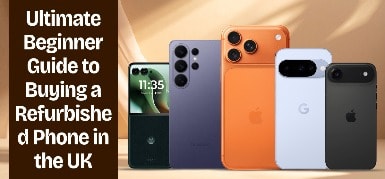
Ultimate Beginner Guide to Buying a Refurbished Phone in the UK
For beginners, though, the idea can still feel confusing. What exactly counts as refurbished? Is it safe?
Buying a new smartphone in 2026 can feel expensive fast. Flagship prices are high, even mid-range phones are not as budget-friendly as they used to be, and many buyers now want better value without giving up everyday performance. That is why more people in the UK are turning to refurbished phones.
For beginners, though, the idea can still feel confusing. What exactly counts as refurbished? Is it safe? How do you know if the battery will still perform well? What should you check before you spend your money?
This guide is here to make that simple. If you are buying a refurbished phone for the first time, we will walk you through what it means, what to look for, what to avoid, and how to buy with more confidence.
Why More UK Buyers Are Choosing Refurbished Phones
For many people, buying refurbished is no longer just about getting the cheapest device possible. It is about getting a better balance between price, quality, and long-term value.
A refurbished phone can often give you access to a better model for less money than buying new. That matters when many new devices now cost hundreds of pounds more than buyers expect. Strong UK consumer guidance also highlights that buying refurbished or second-hand can save money and reduce waste, which is one reason the category keeps growing.
For beginners, refurbished phones are especially appealing because they can make premium features more affordable. Instead of settling for a weaker brand-new budget phone, many buyers can choose an older flagship or a better mid-range handset that still offers solid battery life, smoother performance, and a better camera for everyday use.
What Buying a Refurbished Phone Actually Means
A refurbished phone is usually a pre-owned device that has been checked, tested, cleaned, and prepared for resale by a retailer or specialist seller. giffgaff’s refurbished-phone guide describes refurbished phones as second-hand devices that go through careful testing, with data cleansed before resale.
That is what makes refurbished different from simply buying a phone from a random person online. A normal used phone may be sold as-is, with no checks, no warranty, no clear grading, and no after-sales support. A refurbished phone should come with more information and more protection.
It is also important to understand that refurbished does not mean “brand new.” A refurbished device may still show cosmetic signs of use depending on its condition, but the goal is that it should be fully functional and ready for everyday use.
If you want the deeper definition of the topic, Please red given guide what is a refurbished phone”
Is Buying a Refurbished Phone a Good Idea for Beginners?
For many beginners, yes — buying a refurbished phone can be a very smart choice.
If your main goal is good value, dependable everyday performance, and lower upfront cost, refurbished makes a lot of sense. Which? says buying refurbished can help you save money, and that there is no reason a refurbished phone could not last for many years if you follow the right buying advice.
That said, refurbished is not the perfect option for every buyer.
A brand-new phone may still suit you better if:
you want the very latest model the moment it launches
you care about having a completely untouched device
you want the longest possible software support window
you are uncomfortable with even light cosmetic wear
For everyone else, especially first-time buyers looking for strong value, refurbished is often one of the smartest ways to buy.
The Biggest Benefits of Buying a Refurbished Phone
The biggest benefit is simple: you can often pay less without giving up the features you actually care about.
A refurbished phone can let you step into a better model for the same money you might otherwise spend on a weaker new handset. That can mean better camera quality, better build quality, better screen quality, and more reliable day-to-day performance.
There is also the sustainability factor. Which? points out that buying second-hand or refurbished can support sustainability by reducing waste and extending the life of electronic devices.
For many buyers, the sweet spot is clear: a refurbished phone can deliver strong performance and better value for money without the full price of buying new.
The Possible Downsides You Should Know Before Buying
A trustworthy guide should not pretend refurbished has no downsides.
The first is cosmetic condition. Depending on the grade, your phone may have light marks, small scratches, or visible signs of previous use. That does not necessarily affect performance, but it matters if you want a phone that looks as close to new as possible.
The second is battery condition. Battery performance can vary from one device to another, especially with older models. That is why battery transparency matters so much when comparing sellers.
The third is software and security support. Which? specifically warns buyers to check how long a second-hand or refurbished phone will still receive security updates, noting that this is one of the most important things to consider.
So yes, refurbished is often worth it — but only when you buy with your eyes open.
What to Check Before Buying a Refurbished Phone
This is the most important part of the guide.
If you are buying a refurbished phone for the first time, do not focus only on price. Focus on the full buying picture.
Check the condition grade carefully
Many refurbished retailers use condition grades to describe cosmetic appearance. Which? notes that most retailers in its survey assign a grade based on condition.
Before you buy, make sure the listing clearly explains what the grade means. A cheaper phone may look like a bargain until you realise it comes with more visible wear than you expected.
Understand the battery expectations
Battery health affects daily use more than many beginners realise. If a seller does not explain battery standards at all, that should make you cautious.
A buyer should know whether the battery has been tested and what level of performance is considered acceptable. A phone can still be a good deal without having a brand-new battery, but you should not be left guessing.
Look at the warranty length
Warranty is one of the clearest signs that a seller stands behind what they sell. giffgaff’s refurbished-phone guide says its refurbished phones come with a 12, 18, or 24 month warranty, and its help pages explain how buyers can check what is covered.
You should not assume every seller offers the same protection, so always check the actual terms before buying.
Read the return policy
A clear return policy matters even more for first-time buyers. It gives you a safety net if the device is not what you expected or if you change your mind within the allowed period.
Which also highlights warranty coverage, return policies, and consumer rights as important protections when buying pre-owned phones.
Confirm whether the phone is unlocked
Make sure you understand whether the phone is unlocked or tied to a network. This is especially important if you already have a SIM plan in mind and want the freedom to switch providers easily.
Check what comes in the box
Do not assume every refurbished phone comes with the same accessories. UK guides commonly point buyers toward checking box contents closely, because included items can vary by seller. giffgaff’s guide also treats this as part of the refurbished buying experience.
Make sure the seller explains testing
A trustworthy retailer should be clear that the phone has been inspected, tested, cleaned, and prepared for resale. If a listing is vague or missing basic quality information, that is a warning sign.
Refurbished Phone Grades Explained for Beginners
Condition grades are there to help you understand what level of cosmetic wear to expect.
Different sellers use slightly different grading systems, but many buyers will see labels like
Grade A
Grade B
Grade C
or similar wording such as Excellent, Very Good, and Good.
In simple terms:
higher grades usually mean cleaner cosmetic condition
lower grades usually mean more visible marks or wear
grading often refers mainly to appearance, not whether the phone works
That last point matters. A lower-grade phone may still perform perfectly well, but show more signs of use. For many buyers, that can be a very good trade-off if the price difference is worthwhile.
If your budget matters more than perfect looks, a mid-grade phone can often be the smartest choice.
How Battery Health Affects a Refurbished Phone Purchase
Battery health deserves its own section because it affects real-life use every single day.
A phone with weaker battery performance may still turn on and work fine, but that does not mean it feels convenient to live with. If you stream a lot, use mobile data heavily, take photos regularly, or rely on your phone for work or study, battery quality becomes even more important.
This is why beginners should think beyond headline price. A slightly more expensive refurbished phone from a trusted seller may be much better value than a cheaper listing with unclear battery standards.
When comparing options, ask practical questions:
has the battery been tested?
does the seller set a minimum battery standard?
is there any battery-related return or warranty support?
is the phone model itself known for good battery life?
Battery is not just a spec. It is part of the buying experience.
Why Warranty and Returns Matter So Much
When you buy refurbished, peace of mind matters almost as much as the phone itself.
A warranty reduces risk. A return policy reduces pressure. Together, they make refurbished buying feel safer, especially for beginners.
That is one of the biggest differences between buying from a trusted retailer and buying casually from a private seller.
With a private seller, you may get a lower price, but you usually get far less protection.
With a retailer, you should expect clearer grading, testing, returns, and warranty support.
Which? highlights exactly these protections as part of buying safely in the pre-owned market.
For first-time buyers, this matters a lot. Saving money feels good, but confidence matters more.
Refurbished vs New: Which One Should You Buy?
There is no single right answer for everyone.
A new phone makes sense if you want the newest design, the latest features, the longest possible support window, and the feeling of owning a device no one else has used.
A refurbished phone makes sense if your priority is better value, lower upfront cost, and smarter buying.
For many everyday users, the difference in real-life experience is smaller than the difference in price. If your phone use mainly revolves around messaging, social media, browsing, photos, maps, and streaming, a good refurbished phone can cover those needs extremely well.
The key is to choose based on your priorities, not just marketing hype.
Refurbished vs Used Phones: What Is the Safer Choice?
This is one of the most common beginner questions.
A used phone is usually just a phone that has had a previous owner. It may be sold by anyone, in any condition, with very little information.
A refurbished phone is usually a used phone that has been checked and prepared for resale by a retailer or specialist seller. giffgaff’s guide frames refurbished phones as carefully tested second-hand devices, which is a useful shorthand for beginners.
In most cases, refurbished is the safer route for a first-time buyer because:
there is usually clearer grading
there should be testing
there is more likely to be warranty cover
returns are more likely to be available
the product listing is usually more transparent
That extra safety is often worth paying for.
How to Choose a Trusted Refurbished Phone Seller in the UK
The seller matters just as much as the phone model.
A trustworthy refurbished retailer should offer:
clear condition grading
transparent product descriptions
visible warranty information
a fair return policy
proper testing or quality-check information
support after purchase
Which? also points buyers toward trusted retailers, marketplaces, and private sellers with an emphasis on policies, protections, and clarity.
Common Beginner Mistakes to Avoid When Buying a Refurbished Phone
One of the easiest mistakes is chasing the lowest price without checking the condition grade, warranty, or battery details.
Another is buying an older phone without checking how much software and security support it has left. Which? highlights remaining security support as a major factor, especially for older models.
A third mistake is ignoring the seller. Two phones with similar prices can be very different overall once you compare the return policy, support, included accessories, and transparency.
And finally, many beginners do not think carefully enough about their own needs. A bargain is only a bargain if the phone still suits your daily use.
How to Decide Which Refurbished Phone Is Right for You
The “right” phone depends on what kind of user you are.
If you are a student or light user, you may care most about affordability, reliability, and decent battery life.
If you care more about camera quality, you may be better off buying an older premium model rather than a weaker new budget phone.
If battery life matters most, look beyond branding and focus on real model reputation, battery testing transparency, and overall value.
If you want the best long-term value, think about the balance between price, performance, and remaining software support. Which? notes that iPhones often receive longer security support than many Android devices, which is one reason they remain popular in the second-hand market.
“best refurbished phone to buy” guide and your iPhone buying guide.
Why Refurbished Phones Make Sense for Many UK Buyers in 2026
Refurbished phones make sense because they sit in the sweet spot between cost and quality.
They can help buyers spend less, reduce waste, and still get a dependable device for everyday use. Strong UK guidance also supports the idea that refurbished phones can be a smart, long-lasting option when bought carefully from the right seller.
For beginners, the most important thing is not just finding a low price. It is buying with confidence.
If you understand grades, battery expectations, warranty cover, returns, software support, and seller trust, you are already in a much stronger position than most first-time buyers.
That is what makes refurbished buying feel less risky and much more rewarding.
Frequently Asked Questions About Buying a Refurbished Phone
Are refurbished phones worth buying?
Yes, for many buyers they are. A refurbished phone can offer strong value, lower upfront cost, and access to better models for less money than buying new. Which? says refurbished phones can save you significant money and still last for many years if you buy carefully.
Are refurbished phones safe to buy online?
They can be, as long as you buy from a seller with clear grading, testing information, warranty support, and a fair return policy. Those protections are part of what makes retailer-refurbished phones safer than casual private sales.
Do refurbished phones come with a charger?
Sometimes, but not always. Box contents can vary by seller, so always read the listing carefully before buying.
How long does a refurbished phone usually last?
It depends on the model, battery condition, and how much software and security support remains. Which? says a refurbished phone can last for many years if bought carefully, but also stresses checking remaining security updates.
Is it better to buy refurbished or second-hand?
For beginners, refurbished is usually the safer option because it is more likely to come with testing, grading, warranty cover, and returns.
Should I buy a refurbished iPhone or Samsung phone?
That depends on your priorities, but software support is worth checking carefully. Which? notes that iPhones generally offer longer security support, while the best choice overall still depends on budget, battery needs, and the model itself.