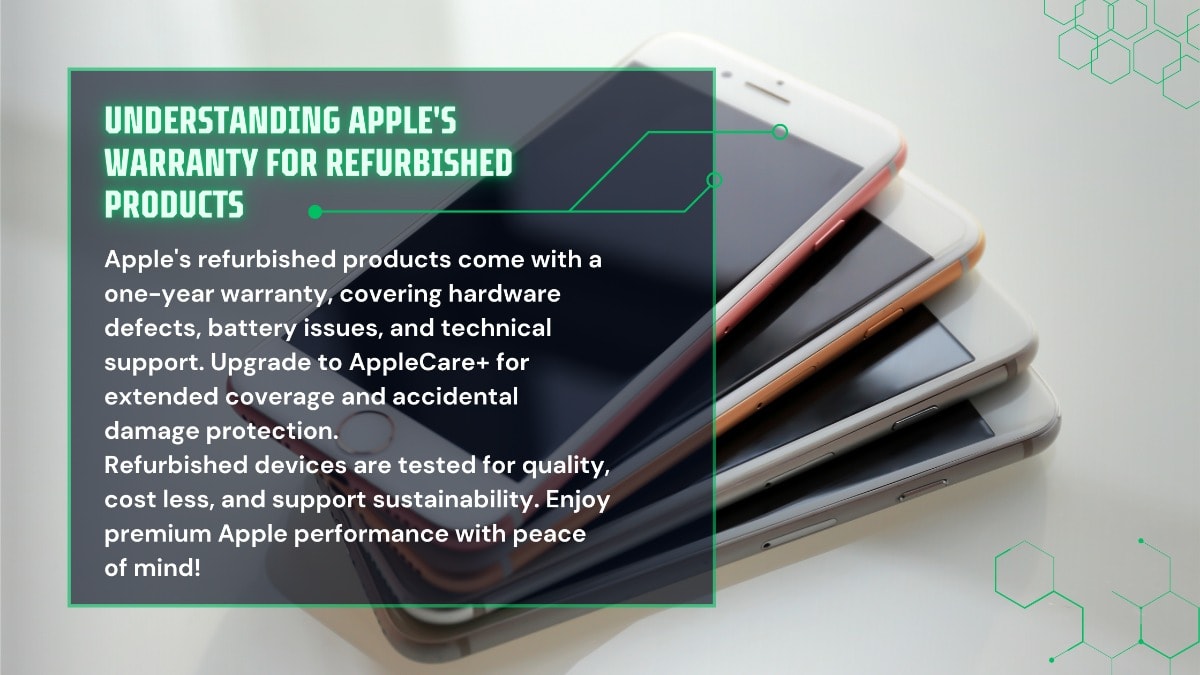
How Refurbished Apple Devices Contribute to a Greener Planet
See how refurbished Apple devices extend useful life, reduce e-waste and make better use of existing technology and resources
Refurbished Apple devices can be a more resource-conscious choice because they keep existing technology in use for longer.
Instead of a working iPhone, iPad or Mac reaching the end of its useful life too early, refurbishment can give that device another owner and more time in everyday use. This can delay the immediate need for another newly manufactured device and keep usable electronics in circulation for longer.
However, refurbished technology is not impact-free. Testing, replacement parts, packaging, delivery and eventual recycling still use resources.
The environmental case for refurbished Apple devices is therefore quite simple: make better use of technology that already exists before replacing it unnecessarily.
Why Does Extending a Device's Life Matter?
Every new electronic device requires materials, components, manufacturing, packaging and transport.
Manufacturing can account for a large part of an iPhone's lifecycle footprint. For example, Apple's Product Environmental Report for the iPhone 16 Pro and iPhone 16 Pro Max attributes around 80–81% of their modelled lifecycle greenhouse gas emissions to production.
That does not mean every iPhone has exactly the same environmental footprint. Different models, materials, manufacturing processes and usage assumptions can produce different results.
It does show why device lifespan matters.
If capable hardware stays useful for longer, the materials and manufacturing that have already gone into making it can continue delivering value rather than the device being replaced unnecessarily.
Apple also identifies product longevity, repair, reuse, trade-in and recycling as important parts of its approach to reducing environmental impact.
The real value of refurbishment is therefore not simply the “refurbished” label.
It is extending useful life.
Refurbished vs New: What's the Environmental Difference?
A refurbished device already exists.
That is the most important difference.
Buying new requires the production of another complete device. Refurbishment aims to keep suitable existing hardware in service, although repairs or replacement components may still be required.
This is why describing a refurbished iPhone as having “zero environmental impact” would be misleading.
Refurbishment still has an environmental footprint.
The more useful point is that it can extend the life of hardware that has already been manufactured.
How Can Refurbishment Help With E-Waste?
Refurbishment creates another possible stage between a device's first owner and its eventual end of life.
A simplified journey might look like this:
First owner → inspection and refurbishment → second useful life → responsible recycling
Rather than:
First owner → disposal
Not every old Apple device can or should be refurbished. Some may be damaged beyond practical repair, while others will eventually become unsuitable for continued use.
When a device can no longer be reused, responsible recycling becomes important.
Apple says devices collected through its programmes are assessed to determine whether they can be reused or should be recycled.
This highlights an important difference:
Reuse and recycling are not the same thing.
Reuse aims to keep a device functioning for longer.
Recycling becomes important when continued use is no longer practical and materials need to be recovered or handled responsibly.
What About Batteries and Replacement Parts?
Refurbishment does not mean every original component remains in a device forever.
Rechargeable batteries degrade with use, while faulty or damaged parts may need attention before a device can continue serving another owner.
Replacement parts also require resources and manufacturing, so repairs should not be treated as having no environmental cost.
However, repairing or replacing an appropriate component may allow the wider device to remain useful rather than discarding the entire product because one part has reached the end of its useful life.
This is why repair, refurbishment and device longevity are closely connected.
For buyers, battery condition is also a practical consideration. If you are thinking about purchasing a refurbished iPhone and want to understand battery health, reliability and value in more detail, read ourguide to whether refurbished iPhones are worth buying.
Is Buying Refurbished Always Better for the Environment?
Not automatically.
The environmental value depends partly on what happens after you buy the device.
For example, buying a refurbished iPhone and replacing it again after a few months simply because another model launches is different from buying a suitable refurbished device and keeping it in use for several years.
There is also an even simpler option that is easy to overlook:
If your current phone still works well and meets your needs, keep using it.
You do not need to buy another phone simply because refurbished devices exist.
A practical approach is:
Use what you already own for as long as it meets your needs. When you genuinely need a replacement, consider whether suitable existing hardware can do the job before automatically buying new.
That puts device longevity ahead of unnecessary upgrading.
What Should You Do With Your Current Apple Device?
Your next step should depend on the condition of the device.
If It Still Works Well
Keep using it.
A newer iPhone generation does not automatically make your current phone obsolete.
If It Works but You No Longer Need It
Consider selling or trading it in so the device has an opportunity to remain in use.
If It Has a Repairable Fault
Consider whether repairing the device could extend its useful life before replacing it entirely.
If It Has Reached the End of Its Useful Life
Use an appropriate electronics recycling route rather than putting the device into general household waste.
Apple provides trade-in and recycling routes and says the devices it receives can be assessed for reuse or recycling.
The principle is straightforward:
Keep useful technology useful. When that is no longer practical, handle its end of life responsibly.
Where Does Zextons Fit In?
At Zextons, our role is to inspect and test suitable pre-owned devices before returning them to everyday use.
For us, the useful part of refurbishment is not simply selling an older phone again. The device needs to remain practical for its next owner.
That is why factors such as testing, condition and battery health matter alongside price when choosing refurbished technology.
Refurbishment makes the most sense when the next owner can continue using that device rather than treating it as a short-term purchase before another unnecessary upgrade.
If your existing phone still does everything you need, keep using it.
But if you genuinely need a replacement, you canbrowse Zextons refurbished iPhones and compare suitable existing devices before deciding whether you need to buy new.
So, Are Refurbished Apple Devices Better for the Environment?
They can be a more resource-conscious option when refurbishment keeps useful hardware in service for longer and delays the need for another newly manufactured device.
But refurbished does not mean impact-free, and it does not make frequent unnecessary upgrading sustainable.
The bigger principle is device longevity.
Keep your existing Apple device while it continues to meet your needs. If you genuinely need another one, consider whether a properly refurbished device can do the job. When a device can no longer be reused, recycle it responsibly.
For us at Zextons, that is the practical value of refurbishment: giving suitable technology more useful life rather than treating it as finished simply because it has had a previous owner.
Frequently Asked Questions
Are refurbished iPhones better for the environment?
They can be a more resource-conscious choice when refurbishment keeps an existing device in useful service for longer. However, refurbishment still involves activities such as testing, repairs, packaging and transport, so it should not be described as impact-free.
Does buying refurbished reduce e-waste?
Refurbishment can keep suitable electronics in circulation for longer and delay their entry into the waste stream. Once a device can no longer be reused practically, responsible recycling becomes important.
Is keeping my current iPhone better than buying refurbished?
If your existing iPhone still works well and meets your needs, continuing to use it can be a sensible choice. Consider refurbished when you genuinely need a replacement rather than upgrading unnecessarily.