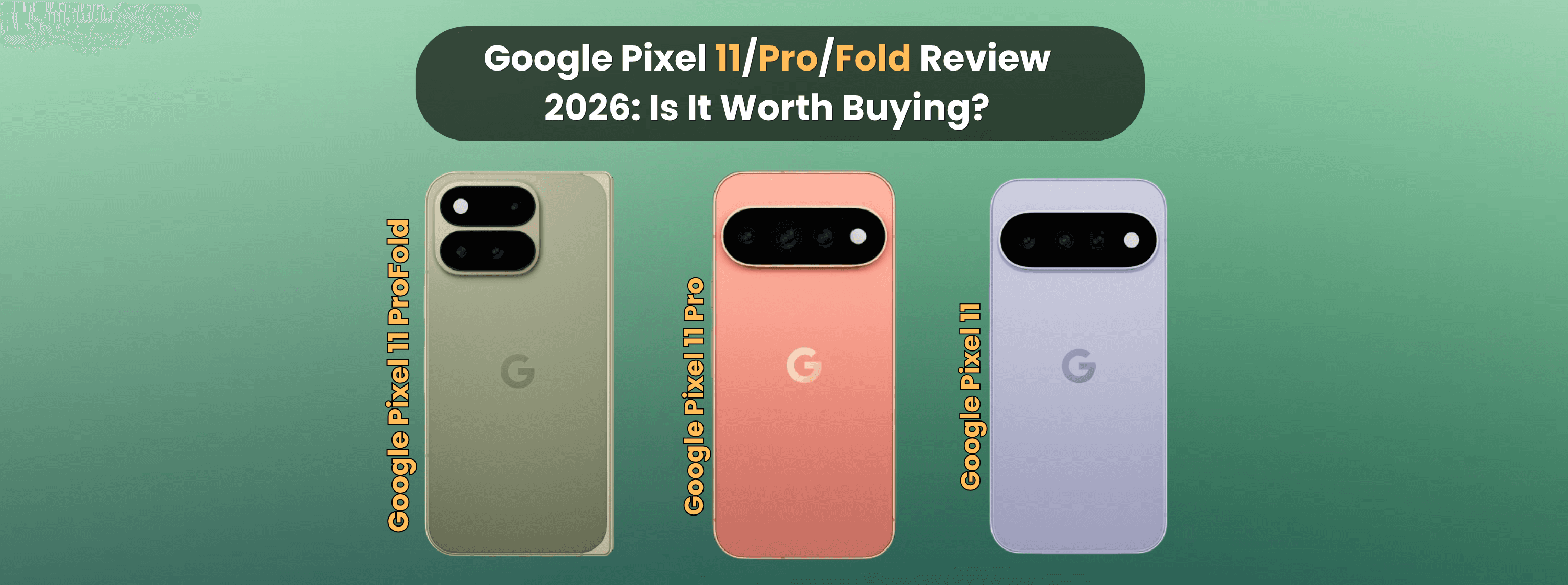
Google Pixel 11 Review 2026: Is It Worth Buying?
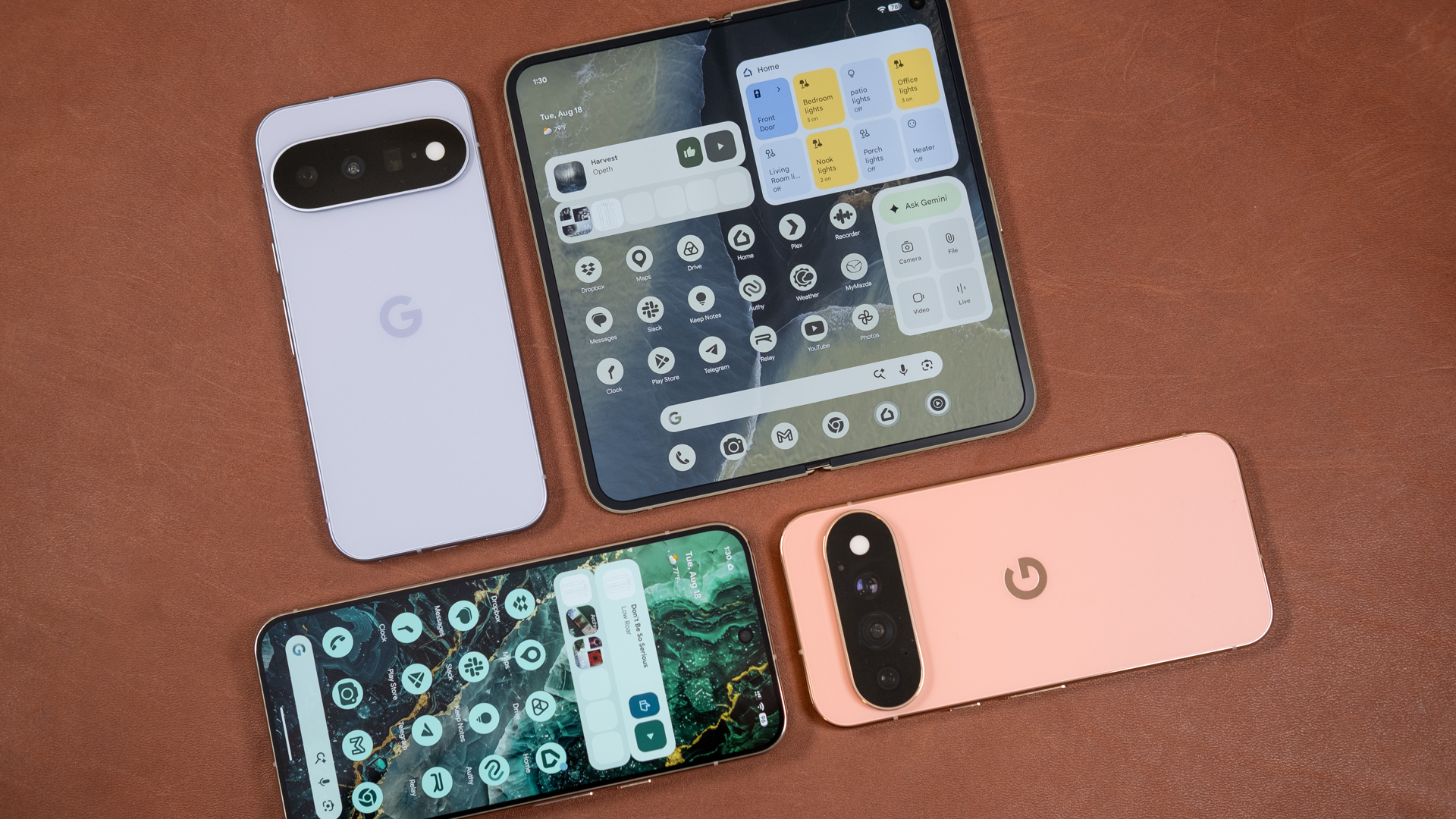
Quick Executive Summary
The Google Pixel 11 series arrives with an unusual problem: these are some of the most polished Pixel phones Google has ever made, yet they are also among the least dramatic upgrades. Google has improved the cameras, increased storage, introduced the Tensor G6 processor, made several displays brighter and added more Gemini-powered features. However, the basic design remains familiar, charging speeds still trail some Android rivals, and selected Pro configurations now start with less RAM than last year's models.
So, is the Google Pixel 11 worth buying in 2026? For most people upgrading from an older Android phone or switching to Pixel for the first time, yes—the standard Pixel 11 is particularly compelling. However, Pixel 10 owners have far fewer reasons to upgrade, while the expensive Pixel 11 Pro Fold faces much stronger competition.
This Google Pixel 11 review covers the Pixel 11, Pixel 11 Pro, Pixel 11 Pro XL and Pixel 11 Pro Fold, including their cameras, Tensor G6 performance, displays, battery life, charging, Android 17 software, Gemini AI features and overall value.
Google Pixel 11 Series at a Glance
| Feature | Pixel 11 | Pixel 11 Pro | Pixel 11 Pro XL | Pixel 11 Pro Fold |
|---|---|---|---|---|
| Processor | Tensor G6 | Tensor G6 | Tensor G6 | Tensor G6 |
| RAM | 12GB | 12GB / 16GB | 12GB / 16GB | 16GB |
| Base storage | 256GB | 256GB | 256GB | 256GB |
| Display | 6.3-inch OLED | 6.3-inch LTPO OLED | 6.8-inch LTPO OLED | 6.5" outer / 8" inner |
| Refresh rate | 60–120Hz | 1–120Hz | 1–120Hz | 1–120Hz |
| Main camera | 48MP | 50MP | 50MP | 48MP |
| Telephoto | 5x | 5x | 5x | 5x |
| Battery | 4,985mAh | 4,850mAh | 5,115mAh | 4,806mAh |
| Wired charging | Up to 30W | Up to 30W | Up to 45W | Up to 30W |
| Wireless charging | Up to 25W | Up to 25W | Up to 25W | Up to 25W |
| Software | Android 17 | Android 17 | Android 17 | Android 17 |
All four Pixel 11 phones use Google's Tensor G6 processor and begin with 256GB of storage. However, the Pro models add higher-end displays and cameras, while the Pro Fold provides Google's large folding-screen experience.
Google Pixel 11 UK Price
At launch, UK pricing starts at:
- Google Pixel 11: £879
- Google Pixel 11 Pro: £1,079
- Google Pixel 11 Pro XL: £1,279
- Google Pixel 11 Pro Fold: £1,799
Those prices matter because Google is no longer positioning Pixel as an obvious cheaper alternative to premium rivals. Consequently, buyers should judge the Pixel 11 not only against Samsung and Apple but also against discounted Pixel 10 models.
Design and Build Quality
Familiar Pixel Design, Refined Rather Than Reinvented
Nobody is likely to mistake the Pixel 11 for another manufacturer's phone. Google's horizontal camera bar remains one of the most recognisable designs in the smartphone market.
The standard Pixel 11 gets a flatter camera bar than its predecessor, which helps the phone feel slightly less bulky. Meanwhile, Google's general aluminium-and-glass construction remains premium and reassuringly solid.
However, this is evolution rather than reinvention.
Google has now used variations of the same visual language across several Pixel generations. Therefore, anyone hoping the Pixel 11 would introduce a radical new flagship design may find it overly familiar.
That familiarity is not necessarily bad. The design remains attractive, distinctive and practical. In addition, the central camera arrangement helps the flat Pixel phones sit more steadily on a desk than smartphones with large camera clusters on one side.
Pixel 11 Pro and Pro XL Design
The Pixel 11 Pro and Pro XL retain the premium Pixel appearance while making subtle changes around the camera bar. Rather than creating a dramatic visual reset, Google has refined materials and details. As a result, the phones feel mature rather than experimental.
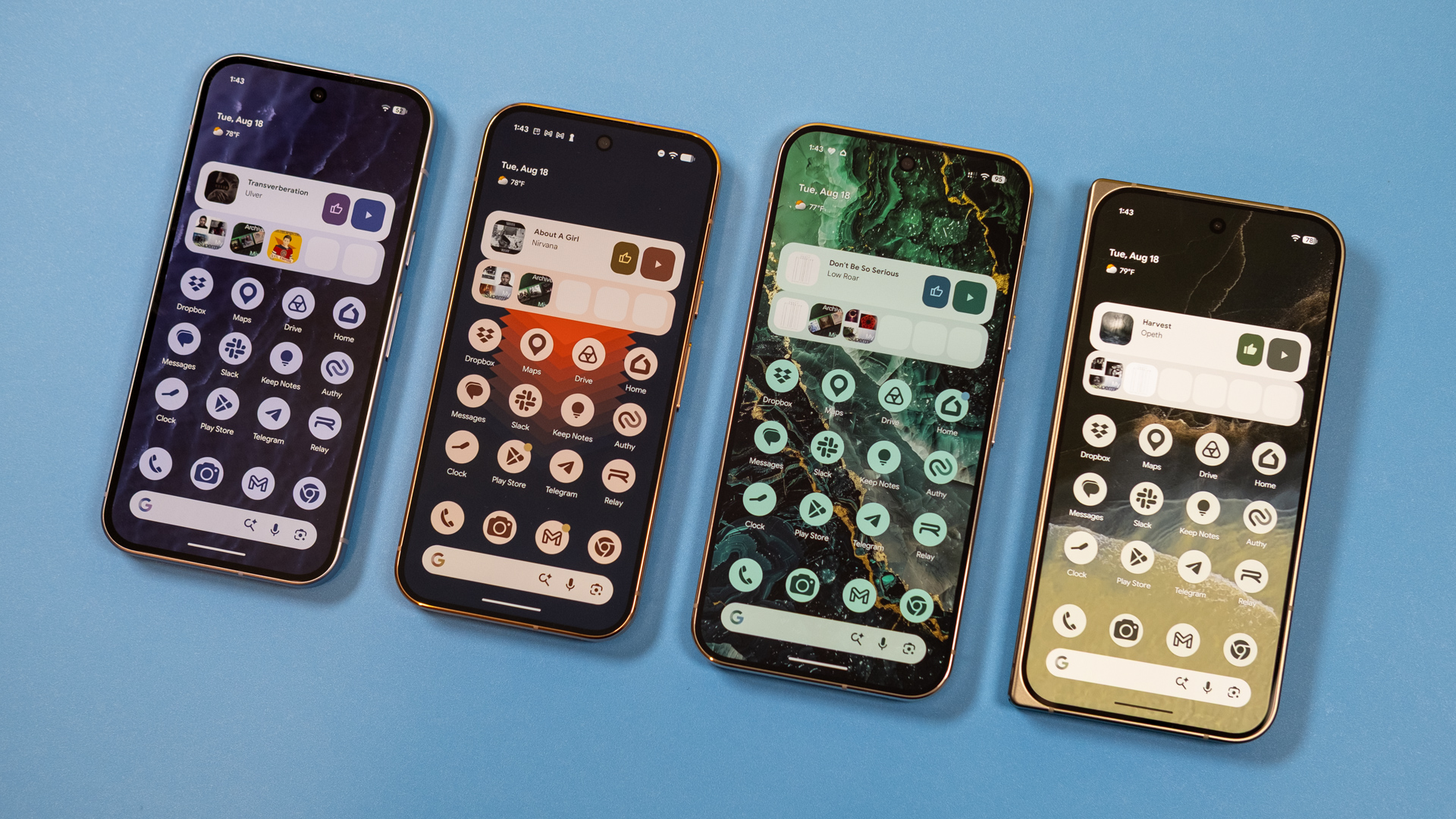
The main choice between the two is size. The regular Pixel 11 Pro gives buyers Google's premium camera system in a more compact 6.3-inch body. On the other hand, the Pixel 11 Pro XL uses a larger 6.8-inch screen and also benefits from faster wired charging.
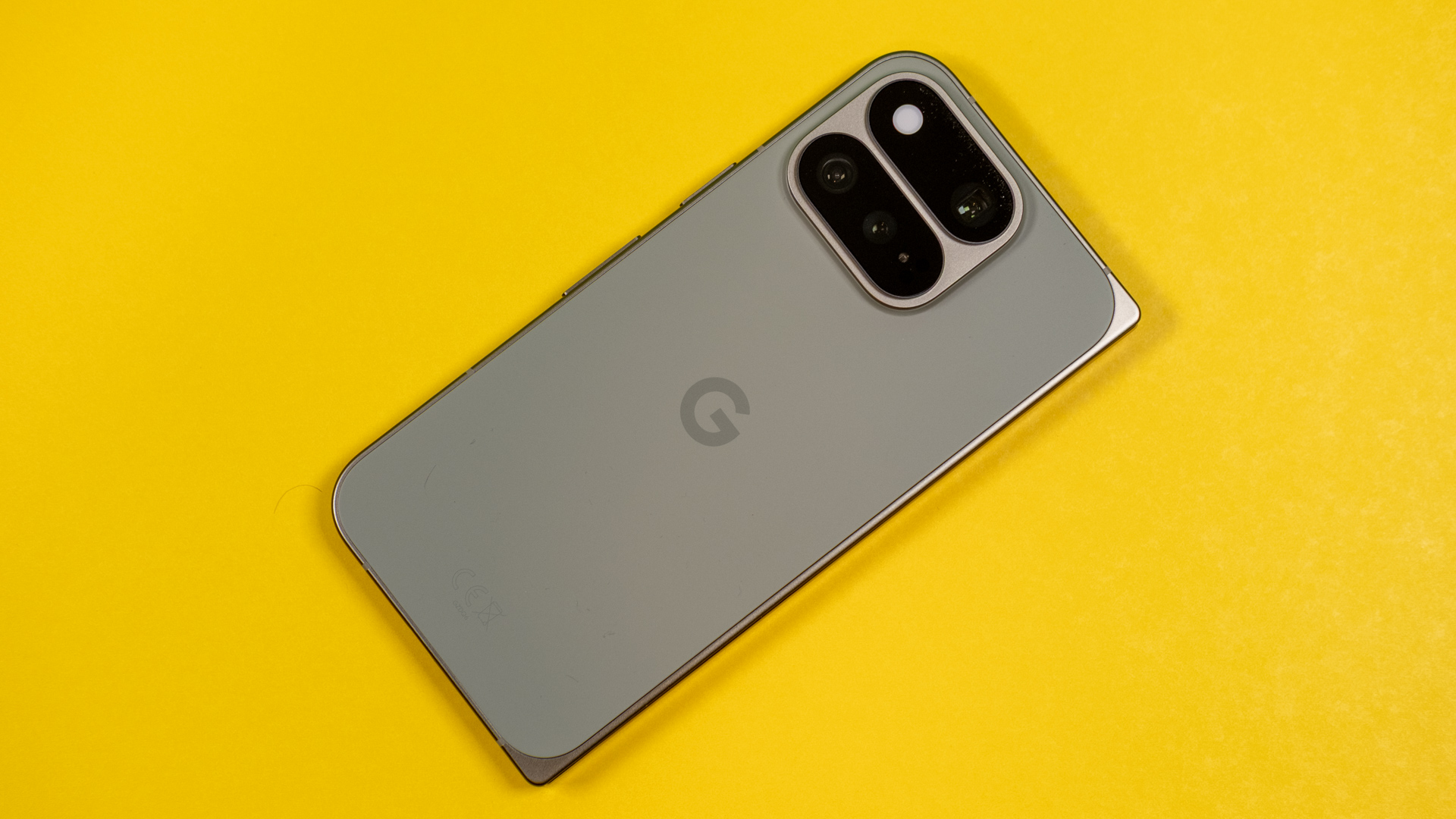
Pixel 11 Pro Fold Design
Google has made the Pixel 11 Pro Fold slightly thinner and lighter while revising its hinge and reducing the bezels around the inner display. However, the changes are modest.
Competing foldables have moved rapidly towards extremely thin bodies and much less visible display creases. The Pixel 11 Pro Fold still looks and feels relatively substantial by comparison.
There is an important positive, though: durability. Google has maintained an IP68 water and dust resistance rating, which is an impressive characteristic for a foldable. The phone also uses a new glass-fibre composite rear material intended to improve durability. Therefore, although the Fold is not the thinnest design available, Google appears to have prioritised robustness.
Pixel 11 Displays
Display quality remains one of the strongest reasons to consider Google's latest phones.
Pixel 11 Display
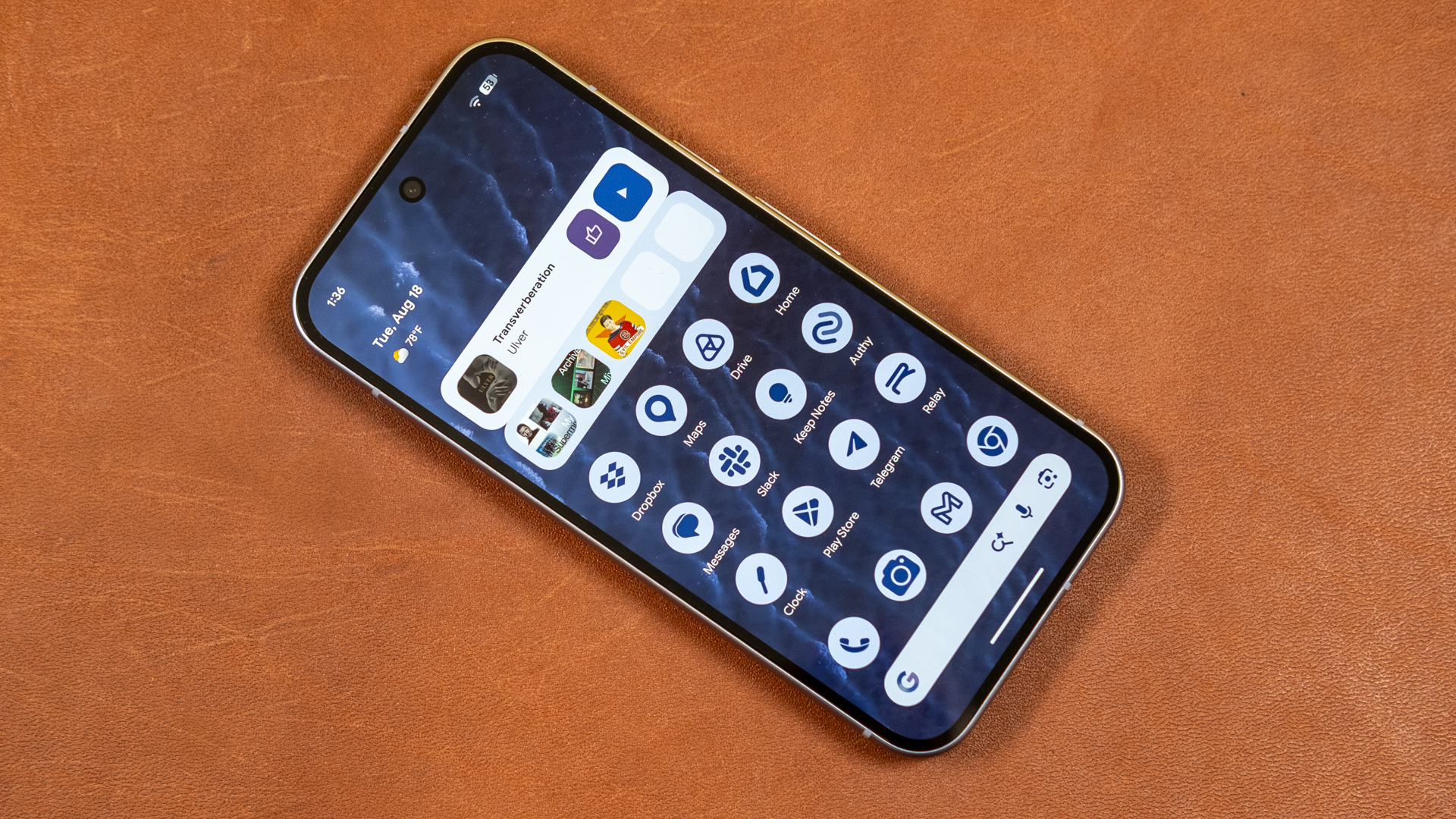
The standard Pixel 11 uses a 6.3-inch OLED panel with a 60–120Hz refresh rate and peak brightness rated at up to 3,000 nits. It may not have the Pro model's LTPO technology, but it remains a high-quality flagship display with excellent outdoor visibility, strong contrast and smooth scrolling.
Pixel 11 Pro and Pro XL Displays
The Pro models use LTPO OLED technology capable of dynamically moving between 1Hz and 120Hz. They can also reach a claimed peak brightness of around 3,600 nits.
That improvement is useful outdoors, although it should be viewed as refinement rather than a revolution because Google's previous flagship displays were already very good. For watching HDR content, editing photos, browsing and everyday use, the Pixel 11 Pro screens remain among the strongest parts of the entire package.
Pixel 11 Pro Fold Displays
The Fold provides a 6.5-inch external display and a large 8-inch internal OLED panel. The internal screen makes multitasking, reading, photo editing and media consumption considerably more spacious than on a normal smartphone.
However, the flexible inner display remains more reflective than the best conventional smartphone panels. In addition, its crease is still easier to see and feel than on some of the latest foldable competitors.
HiLight: A Good Idea That Needs More Work
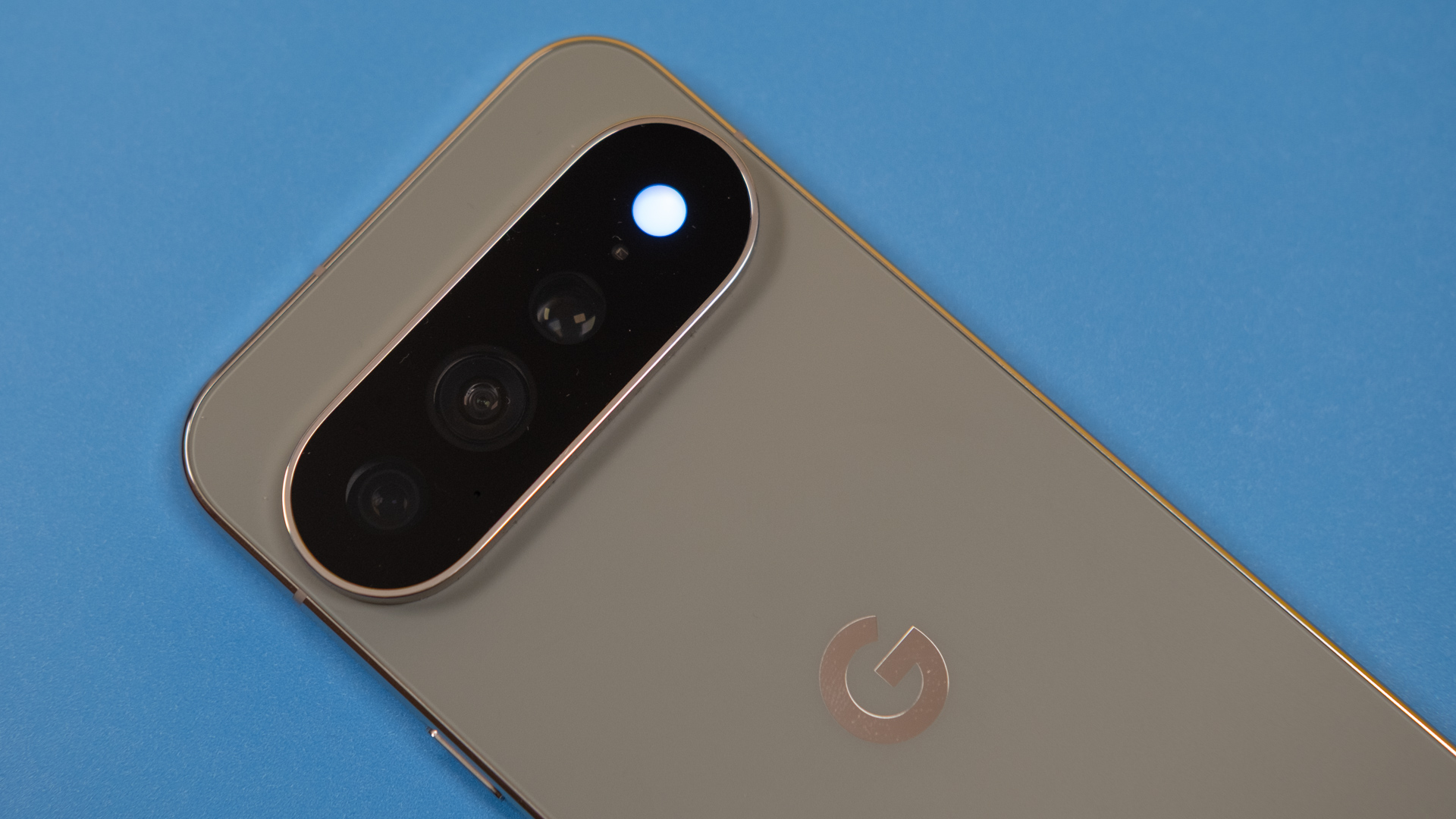
One of Google's most visible new ideas is HiLight, a coloured LED system integrated around the rear flash on supported Pixel 11 models. The concept immediately sounds useful.
When the phone is face down, HiLight can provide visual feedback for Gemini and can use colours to help identify selected incoming callers.
Unfortunately, its functionality at launch is surprisingly restricted. For example, it does not operate like the highly configurable notification LEDs Android enthusiasts may remember from older smartphones. Its limited notification support also means Google is not yet taking full advantage of the hardware.
That makes HiLight feel more like a promising foundation than a reason to buy the phone. If Google expands it to messages, third-party applications, charging information, timers and other notifications, it could become genuinely useful. In its current form, however, it is easy to ignore.
Tensor G6 Performance
Every Pixel 11 model uses the new Google Tensor G6 chipset. Google's Tensor processors have never been primarily designed to win benchmark competitions. Instead, they focus heavily on Google's software, photography, machine learning and AI workloads. That philosophy continues with Tensor G6.
Everyday Performance
For ordinary smartphone use, there is little reason for most users to worry about performance. Published testing describes the Pixel 11 as responsive and fluid, with quick application launches, smooth animations and immediate touch response.
This is an important distinction because benchmark scores do not always reflect how fast a phone feels. Google controls both the Pixel hardware and much of its software experience. Consequently, good optimisation can produce an extremely responsive phone even without the highest benchmark numbers in the industry.
Gaming Performance
Gaming exposes Tensor's limitations more clearly. The Tensor G6 still cannot match the graphics performance of the fastest Qualcomm Snapdragon and Apple chips. For games such as Genshin Impact and other graphically intensive titles, competing flagship phones can deliver higher frame rates.
However, casual games, social media, photography, streaming, productivity and normal multitasking are unlikely to challenge the phone.
Takeaway: Pixel 11 is fast enough for almost everyone, but it would not be our first choice for a buyer whose main priority is maximum mobile gaming performance.
The Pixel 11 RAM Controversy
One of Google's strangest decisions concerns memory. Previous Pro models helped justify their premium positioning with 16GB of RAM. However, selected Pixel 11 Pro configurations now begin with 12GB RAM, while higher-capacity versions offer 16GB.
In isolation, 12GB is still plenty for Android. Independent testing indicates that the 12GB models remain fast and generally keep applications in memory well. Therefore, this is unlikely to ruin the everyday experience.
The problem is value. When a new flagship becomes more expensive while one specification moves backwards, buyers are justified in questioning the decision. Heavy multitaskers should therefore check the exact RAM and storage configuration before ordering a Pixel 11 Pro or Pro XL.
Android 17 and the Pixel Software Experience
Hardware specifications only explain part of the Pixel appeal. The Pixel 11 series ships with Android 17, and Google's clean implementation remains one of the biggest differences between Pixel phones and many competing Android devices.
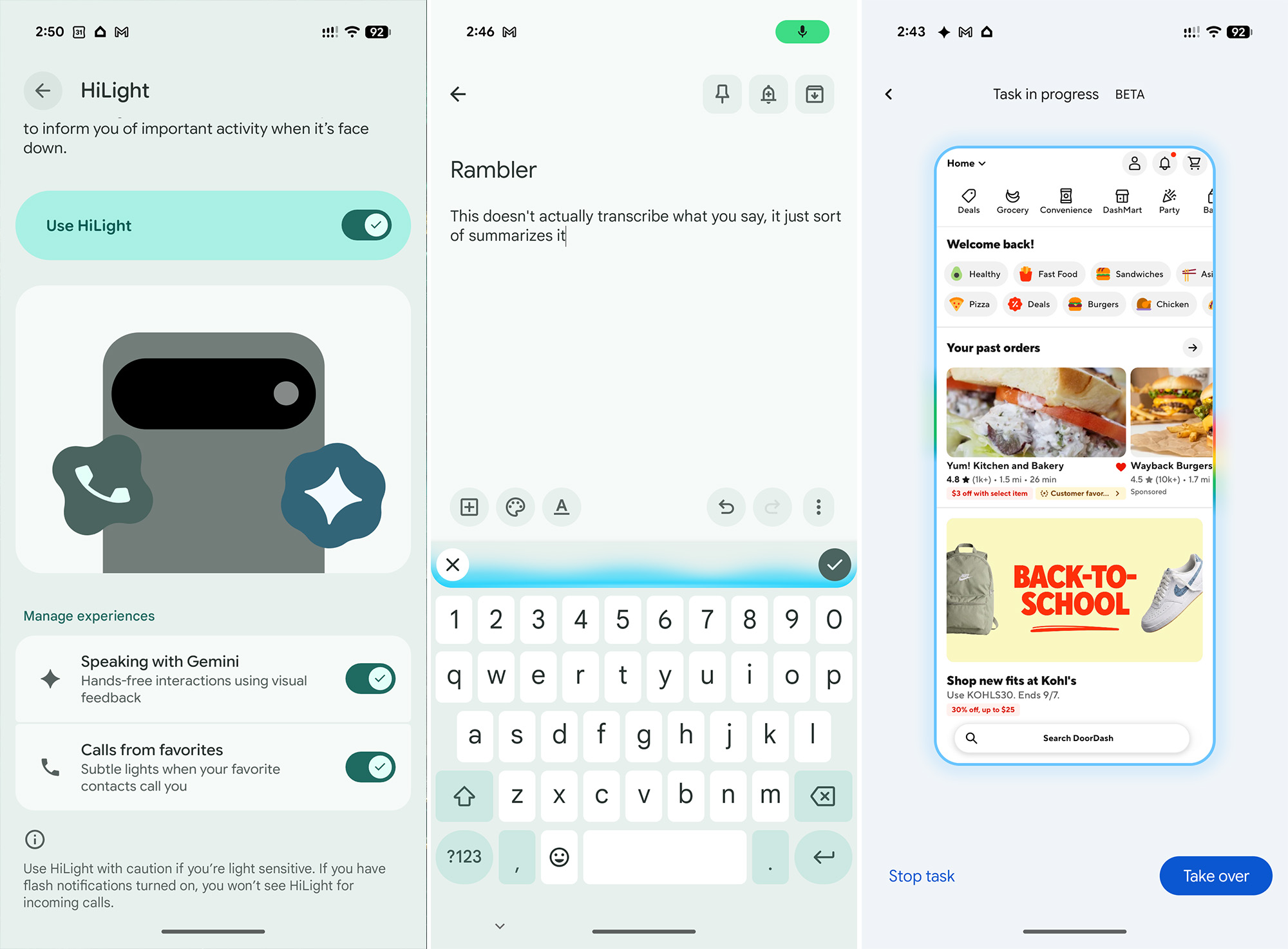
The experience is cohesive. Google's applications, widgets, animations and system interface share a consistent visual language. There is also less duplicated software than on many manufacturer-modified Android phones.
More importantly, Pixel owners receive Google's newest Android features quickly. Google continues to promise seven years of operating system and security support, alongside Pixel Drops that add features throughout the device's supported life. For someone planning to keep a phone for several years, that long support period meaningfully improves the Pixel 11's value.
Gemini and AI Features
Artificial intelligence is no longer an optional side feature in Google's smartphone strategy. It is increasingly part of the core Pixel experience. Gemini appears across many areas of the Pixel 11, while Tensor G6 handles more AI processing directly on the device.
Google is also expanding automated actions across supported applications. In theory, Gemini can help complete multi-step tasks that would normally require switching between apps.
Nevertheless, buyers should keep expectations realistic. Independent reviewers have found that some automated tasks can take longer than completing them manually. Moreover, AI can occasionally make questionable choices, which means users still need to monitor important actions. Gemini is best viewed as a useful developing assistant rather than a replacement for normal smartphone interaction.
Rambler: Smarter Voice Typing
Rambler is one of the more practical AI additions. Instead of simply transcribing every spoken word—including hesitations, repeated phrases and corrections—it can restructure speech into cleaner written language.
For example, a rambling voice message can become a more concise piece of text without requiring the user to manually remove every “um” or false start. That could be especially useful for emails, messages and notes. However, AI rewriting can occasionally make language sound more polished or formal than intended. Therefore, important messages should still be checked before sending.
Pixel 11 Camera Review
Cameras remain one of the strongest arguments for buying a Pixel. Google has made hardware changes, but its real advantage remains the combination of sensors, fast capture and computational photography.

Pixel 11 Camera Specifications
The standard Pixel 11 includes:
- 48MP main camera
- 13MP ultrawide camera
- 10.8MP 5x telephoto camera
- 10.5MP front camera
The inclusion of a dedicated 5x optical telephoto camera is particularly valuable on the standard model because buyers do not need to jump immediately to the Pro tier for useful optical zoom. That makes the Pixel 11 unusually versatile for its position in the range.
Image Quality
Published testing continues to praise Pixel photography for its ability to capture moving subjects clearly and preserve detail across bright highlights and dark shadows. That makes Pixel cameras especially attractive for everyday situations involving children, pets, street photography and quick spontaneous shots.
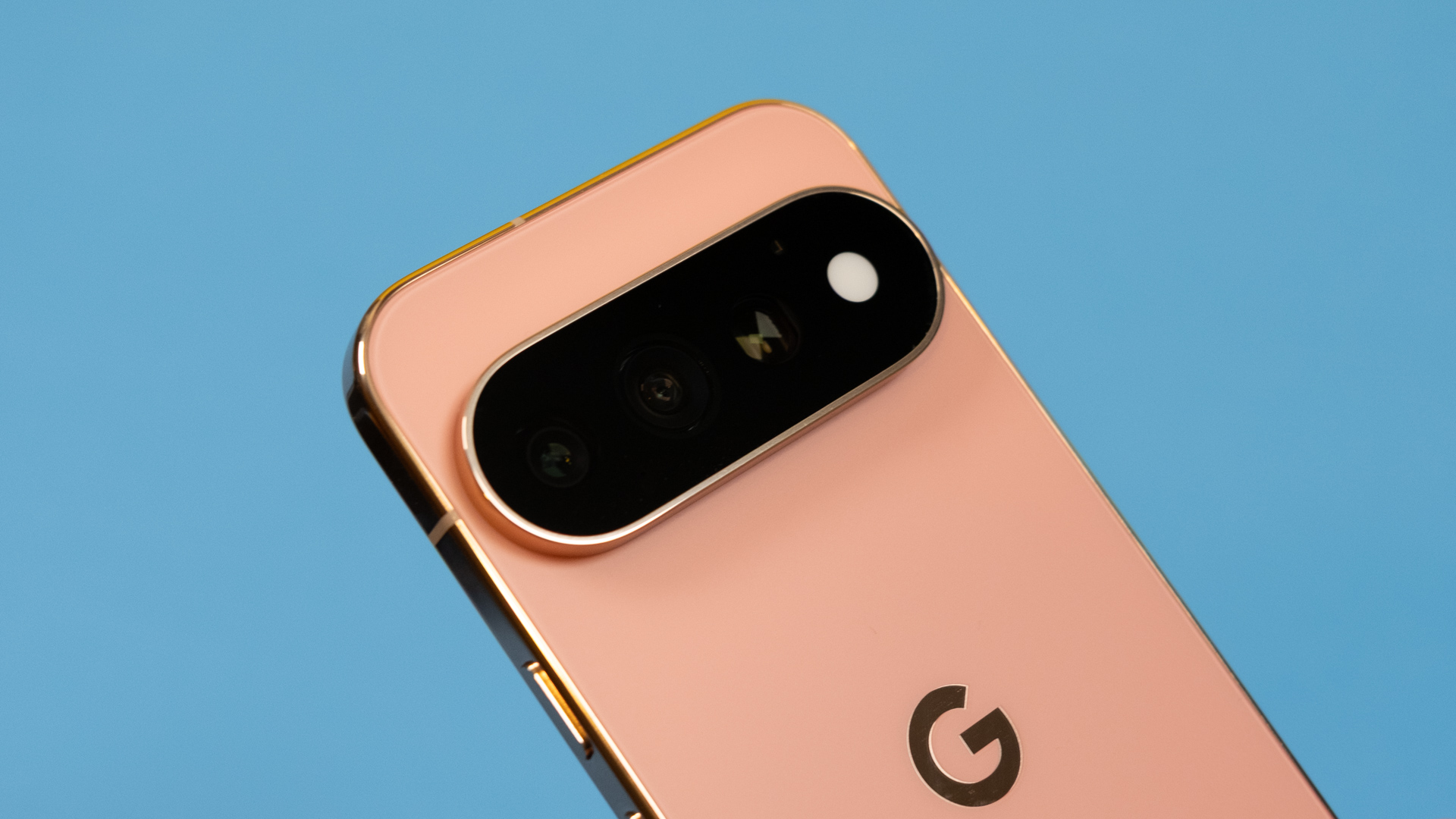
Google's processing still has a recognisable look. Images often appear crisp, contrast-rich and heavily processed compared with a traditional camera. Some people love that style; others prefer a softer or more natural result. Google's new Camera Looks feature is partly designed to address exactly that issue.
Pixel 11 Pro and Pro XL Camera Review
The Pixel 11 Pro and Pro XL use the same core rear-camera configuration:
- 50MP main camera
- 48MP ultrawide camera
- 48MP 5x telephoto camera
- 42MP front camera
The main and telephoto sensors have been updated, giving the Pro models Google's strongest conventional smartphone camera hardware.
Compared with the standard Pixel 11, the biggest advantage is not simply megapixel count. Instead, the Pro system provides stronger hardware across the ultrawide and zoom cameras, making it better suited to enthusiasts who frequently use multiple focal lengths. If photography is one of your main reasons for buying a phone, the Pixel 11 Pro is easier to justify than it is for someone who primarily uses the main camera.
Pixel 11 Pro Fold Camera
The Pixel 11 Pro Fold uses a 48MP primary camera along with dedicated ultrawide and 5x telephoto cameras. That gives it a versatile camera setup for a foldable.
However, buyers should remember that the Fold's £1,799 price primarily pays for the folding form factor and large internal display. It does not provide a better camera system than the considerably cheaper Pixel 11 Pro. For the best Pixel camera experience, we would choose the Pro or Pro XL before the Fold.
Magic Capture
Magic Capture is one of the Pixel 11's more interesting photography tools. When activated, the phone records video while its on-device AI looks for moments that might make good still photographs. It can then capture full-quality images automatically.
The idea is particularly useful for unpredictable subjects where a perfect expression or movement may last only a fraction of a second. However, independent testing shows an important limitation: the system can still miss the decisive moment. Magic Capture is useful assistance, but it should not replace manually pressing the shutter when a photograph really matters.
Instant Night Sight
Google has also made Night Sight faster. The name Instant Night Sight is slightly ambitious because low-light shots can still require the user to hold the phone steady briefly.
Nevertheless, reducing capture time has a practical benefit. The longer a night photograph takes, the greater the chance that the photographer or subject will move. Faster processing can therefore mean the difference between a sharp low-light image and an unusable one. This is a relatively small upgrade that could make a meaningful difference in real photography.
Camera Looks
Camera Looks may be one of the most interesting improvements for people who find standard smartphone photography overly processed. The Pixel 11 provides different photographic styles, including subtler default looks and more dramatic options such as Digi and Editorial. Users can also adjust characteristics including highlights, tint and grain.
The idea is somewhat similar to the broader trend represented by Apple Photographic Styles or Fujifilm's popular film simulations: instead of applying a basic filter after taking a photograph, the photographer chooses more of the desired visual character during capture. For Pixel users tired of the traditional sharp, computational smartphone appearance, Camera Looks adds welcome creative control.
Pixel 11 Video
Google is also giving more attention to video. Supported Pro models gain high-end video features including 8K-related recording options and improvements designed to make zoom transitions smoother.
Pixels have traditionally been celebrated more for still photography than video. Therefore, continued investment here matters, particularly as Google competes with Apple's strong iPhone video reputation. For casual video recording, all Pixel 11 models should be more than capable. Content creators, however, will find the additional Pro camera and video features more useful.
Battery Life & Charging Speeds
Battery Life
Battery life is one area where the Pixel 11 series feels conservative. The batteries are:
- Pixel 11: 4,985mAh
- Pixel 11 Pro: 4,850mAh
- Pixel 11 Pro XL: 5,115mAh
- Pixel 11 Pro Fold: 4,806mAh
Independent real-world testing has not indicated a major battery-life collapse despite some capacity changes across the range. However, that does not automatically make battery life class-leading. The wider Android market has been moving toward larger-capacity batteries and devices that can realistically push deeper into a second day for many users.
Google remains closer to the traditional all-day flagship approach. Therefore, users moving from a modern phone known for two-day endurance may notice the difference.
Charging Speeds
Charging is another area where Google remains conservative. The Pixel 11 and Pixel 11 Pro support up to approximately 30W wired charging, while the Pixel 11 Pro XL reaches 45W. The Pro Fold remains around 30W. Meanwhile, compatible Pixelsnap/Qi2.2 wireless charging reaches up to 25W.
The Pro XL's 45W charging is a welcome improvement. However, Google still trails manufacturers offering 65W, 80W or even faster wired charging. For someone who normally charges overnight, this may make little difference. For travellers or heavy users who frequently need a quick 15-minute top-up, faster-charging competitors remain more convenient.
Pixelsnap and Qi2.2 Wireless Charging
Google's continued support for Pixelsnap magnetic accessories and Qi2 wireless charging is an important everyday benefit. Magnetic alignment removes much of the frustration associated with traditional wireless charging pads. It also creates opportunities for magnetic stands, mounts, power banks and other accessories.
Pixel 11 Storage
Google has finally moved the Pixel 11 family to a more appropriate 256GB starting storage capacity. For a premium smartphone in 2026, this is a welcome change.
High-resolution photos, 4K and 8K video, offline downloads and large applications can consume storage quickly. Therefore, 256GB provides much more breathing room than 128GB. Pro models are also available in larger capacities, including configurations reaching 1TB.
There is a trade-off, however: eliminating the lower-capacity entry model also means there is no cheaper 128GB version for buyers who rely heavily on cloud storage.
Pixel 11 vs Pixel 10: What Has Actually Changed?
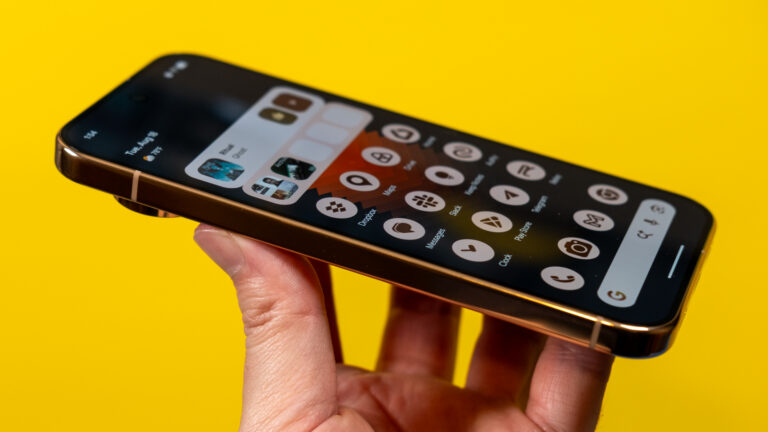
Pixel 11 Improvements
The Pixel 11 generation brings:
- Tensor G6 processor
- Updated camera hardware
- Camera Looks software
- Magic Capture & Faster Night Sight
- Brighter displays on selected models
- 256GB base storage
- Faster wireless charging & HiLight on supported models
- Refinements to the Pro Fold
- New AI and Gemini capabilities
Taken together, these improvements create a better phone. However, the difference is not dramatic enough to make a Pixel 10 suddenly feel old.
What Has Barely Changed?
- Overall exterior design
- Display sizes & core Pixel software experience
- General camera philosophy & charging on multiple models
- Basic form factor & day-to-day smartphone experience
Pixel 11 Regressions and Compromises
There are also questionable changes. Some Pro configurations now offer 12GB RAM where 16GB was previously expected. Certain battery capacities have also changed without giving Pixel a major endurance advantage. Most importantly, launch pricing has increased. Therefore, Google is asking buyers to spend more at a time when the improvements are relatively incremental.
Competitor Comparisons
Google Pixel 11 vs Samsung Galaxy S26
Reasons to Choose Pixel 11
- Google's clean Android experience & fast updates
- Strong computational & moving-subject photography
- Deep Gemini AI integration
- Seven years of OS support
- 5x telephoto camera on standard model
Reasons to Consider Samsung
- Maximum processor and GPU performance
- Superior mobile gaming frame rates
- Broader hardware feature set & One UI ecosystem
- More mature foldable hardware engineering
Pixel 11 Pro Fold vs Galaxy Z Fold 8
The competition becomes more difficult for Google in foldables. The Pixel 11 Pro Fold has several genuine strengths: excellent software, Google AI, useful outer-screen proportions, IP68 protection, and a 5x telephoto lens.
However, Samsung's latest foldables have pushed further in physical engineering. The Galaxy Z Fold 8 family offers a thinner design and a substantially reduced crease, making Google's Fold feel somewhat conservative by comparison. Choose the Pixel Fold primarily for Google's software ecosystem rather than for hardware supremacy.
Pros and Cons
What We Like
- Excellent, bright OLED screens
- Versatile camera system with Camera Looks & faster Night Sight
- Clean Android 17 with 7 years of promised updates
- 256GB starting storage capacity
- Pixelsnap magnetic wireless charging
- IP68 rating on the Pro Fold
What We Don't Like
- Increased launch pricing across the board
- Tensor G6 lags in raw gaming/GPU performance
- Conservative charging speeds and battery endurance
- 12GB RAM regression on base Pro models
- HiLight LED feature feels underbaked at launch
- Foldable is thicker with a more visible crease than rivals
Who Should Buy the Google Pixel 11?
1. Standard Pixel 11
The Best Pick for Most Buyers: Offers Tensor G6, 12GB RAM, 256GB storage, strong primary camera, and dedicated 5x telephoto lens without the massive price tag.
Best for: Mainstream buyers, Pixel newcomers, photography-focused users, and anyone upgrading from an older phone.
2. Pixel 11 Pro
For Photography Enthusiasts: Offers superior camera sensors, stronger ultrawide/telephoto hardware, and an LTPO display in a compact 6.3-inch body.
Best for: Mobile photographers and power users wanting compact size.
3. Pixel 11 Pro XL
For Big-Screen Power Users: Combines the full Pro camera suite with a large 6.8-inch display, bigger battery, and faster 45W charging.
Best for: Media consumption, productivity, and large-screen fans.
4. Pixel 11 Pro Fold
For Foldable Specialists: Delivers the Pixel software experience on an 8-inch inner tablet screen with high durability.
Best for: Users who explicitly want a clean Android folding phone.
Upgrade Advice: Should You Switch?
Should Pixel 10 Owners Upgrade?
For most Pixel 10 owners, no. The Pixel 11 is better, but there is not enough generational change to make a well-functioning Pixel 10 obsolete. Waiting another generation is likely the smarter choice unless your current phone is damaged or you find a major trade-in offer.
Should Pixel 9, Pixel 8, or Older Owners Upgrade?
Yes. Pixel 8 and older users are looking at multiple generations of cumulative gains: brighter displays, better zoom optics, faster Tensor performance, 256GB standard storage, and new AI tools. The upgrade will feel substantial.
Pixel 11 or Discounted Pixel 10?
A discounted Pixel 10 remains an excellent value purchase. Choose the Pixel 10 if you want to save money. Choose the Pixel 11 if you want the longest future software support window, 256GB base storage, and Tensor G6 features.
Google Pixel 11 Review Verdict
The Google Pixel 11 series is a fascinating example of a mature smartphone line. Google has refined almost every part of an already successful formula. The displays are excellent, software support is unmatched, and cameras remain top-tier.
However, gaming performance trails rivals, charging remains slow, and HiLight feels underdeveloped. Yet, the standard Pixel 11 balances price and features brilliantly.
Zextons Scorecard Assessment
Final Verdict: The Pixel 11 is one of Google's most polished smartphones, but it is an evolutionary upgrade rather than a revolution. For new Pixel buyers, particularly those choosing the standard model, it is easy to recommend.
Google Pixel 11 FAQs
Is the Google Pixel 11 worth buying in 2026?
Yes, particularly for buyers moving from an older Pixel or switching from another Android brand. It combines excellent cameras, clean Android 17 software, long update support, Tensor G6 performance and 256GB starting storage. However, Pixel 10 owners have fewer reasons to upgrade.
Is the Pixel 11 better than the Pixel 10?
Yes, but mostly through incremental improvements. Tensor G6, camera features, storage and selected display and charging improvements make it the better phone overall. Nevertheless, the Pixel 10 remains highly capable and can offer better value when discounted.
Should I upgrade from Pixel 10 to Pixel 11?
Most Pixel 10 owners do not need to upgrade. The overall design and everyday experience remain similar, while the Pixel 10 still has years of software support.
Is Pixel 11 Pro worth the extra money?
It can be if photography is a priority. The Pro provides stronger ultrawide and telephoto camera hardware, an LTPO display and additional premium features. Normal users may find the standard Pixel 11 better value.
Does Google Pixel 11 have a telephoto camera?
Yes. The standard Pixel 11 includes a dedicated 5x telephoto camera, giving it more zoom flexibility than many non-Pro smartphones.
Is the Google Pixel 11 camera good?
Yes. Pixel photography remains particularly strong for quick captures, dynamic range, moving subjects and computational processing. Google has also introduced features such as Camera Looks, Magic Capture and faster Night Sight.
What is Camera Looks on Pixel 11?
Camera Looks allows users to choose and customise different photographic styles. It provides more control over characteristics such as highlights, tint and grain, helping users move away from the traditional heavily processed smartphone look.
What is Magic Capture?
Magic Capture uses on-device intelligence while recording to identify moments that could make useful still photographs. It can be helpful for moving or unpredictable subjects, although important shots should still be captured manually.
Is Tensor G6 good for gaming?
Tensor G6 is more than powerful enough for normal applications and casual games. However, demanding 3D games can perform better on flagship phones using the fastest Qualcomm chips.